
The gap between expected savings and actual costs
Most homeowners decide to DIY because the labor quote feels too high. That logic holds for simple tasks like painting, caulking, or swapping a light fixture. But for anything involving water, electricity, gas, or structural elements, the math shifts fast.
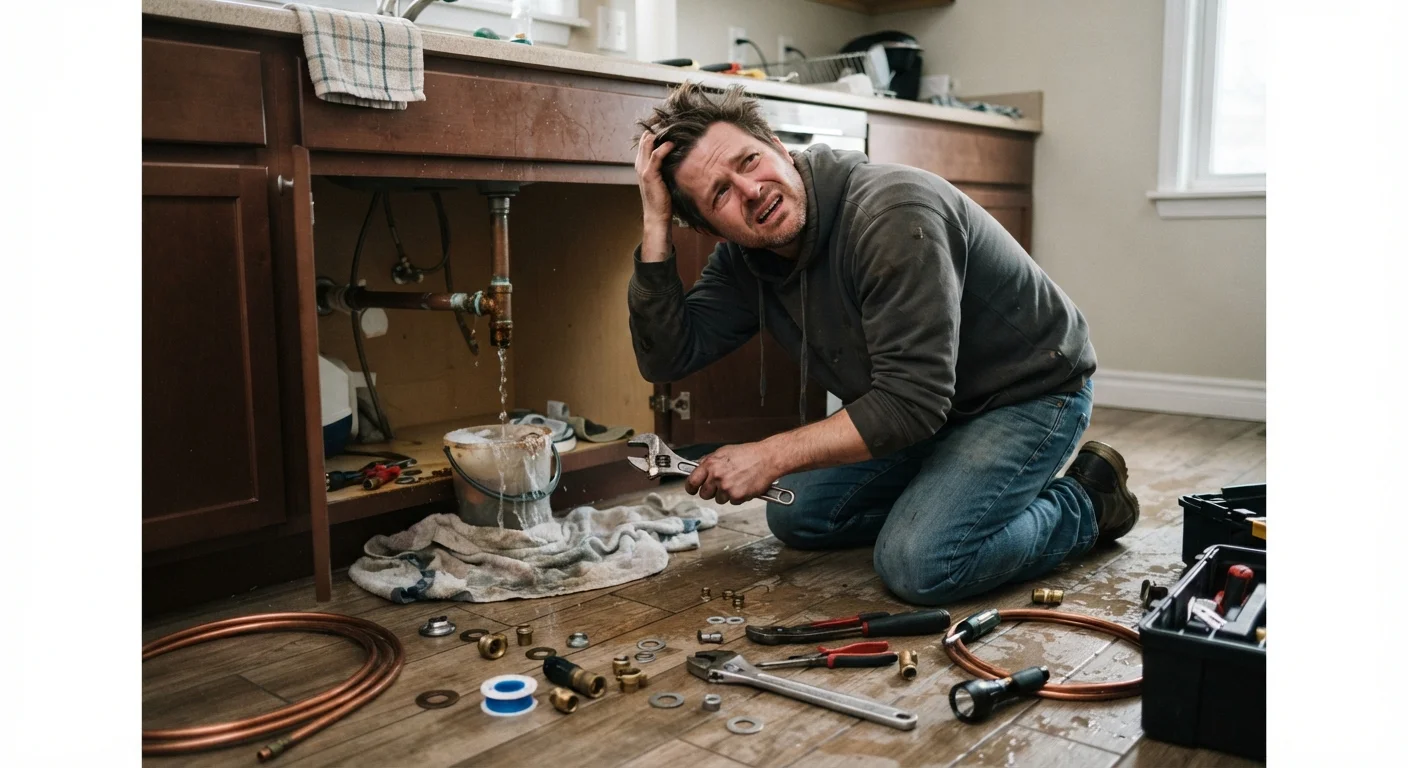
The sticker price of materials covers only part of what a professional brings. A licensed plumber or electrician also carries insurance, owns specialized tools, knows local code requirements, and has done the same job dozens of times. When a DIYer lacks those advantages, a $200 repair can become a $1,400 correction. See our guide to overlooked maintenance tasks for a sense of where small problems quietly grow.
Myth
DIY always saves money because you only pay for materials.
Fact
The total cost includes tools, time, potential mistakes, and sometimes professional correction fees.
Materials are usually 40 to 50 percent of what a contractor charges on a typical repair. The rest covers labor, insurance, expertise, and specialized equipment. A homeowner who buys or rents tools, spends two weekends on a job, and then needs a professional to fix an error has spent more than the original quote would have cost. Time has real value, even when it is not paid by the hour.
Myth
Watching tutorial videos is enough preparation for any home repair.
Fact
Videos show ideal conditions; real jobs involve aged materials, hidden complications, and local code differences.
A tutorial demonstrating a bathroom tile replacement will not show what happens when the subfloor beneath is rotted, or when the existing tile layout does not match any standard size. Professionals encounter these surprises regularly and know how to adapt. A first-time DIYer may not recognize the problem until significant damage is already done.
Myth
If you make a mistake, you can always call a professional to finish the job.
Fact
Correcting someone else's partial work often costs more than if the professional had started from scratch.
Contractors charge more to assess, undo, and redo incomplete work than to complete a clean job from the beginning. They also take on liability concerns when working on top of modifications they did not make. Some will decline the work entirely. The financial cushion of "we can always get help" is thinner than most homeowners assume.
Myth
Permitted work is only necessary for large renovation projects.
Fact
Many routine repairs, including water heater replacements and electrical circuit additions, require permits in most U.S. jurisdictions.
The threshold for required permits is lower than most homeowners expect. In many areas, replacing a water heater, adding a bathroom circuit, or installing a new HVAC system all require permits and inspections. Skipping this step to save time creates potential insurance and resale problems that can cost several times the permit fee to resolve later.
Myth
A professional is always the safer, more expensive choice.
Fact
For low-complexity tasks, DIY is often just as safe and materially cheaper.
Painting, basic landscaping, replacing hardware, and sealing surfaces carry minimal risk and require no specialized licensing. For these jobs, a homeowner with basic tools and patience will typically spend less and get a comparable result. The decision should be based on task complexity and personal skill, not a general assumption that professional always means better.
Where hidden costs pile up
Tool purchases and rentals rarely appear in a homeowner's mental estimate. A tile saw, a pipe threader, or a drywall lift can cost more to rent for a weekend than the savings on labor. If the job takes longer than expected, that rental fee compounds.
Material waste is another factor. Professionals order with experience; beginners often under-order and make extra trips, or over-order and absorb the loss. Grout, paint, and flooring are common examples where waste runs 15 to 20 percent higher on first attempts.
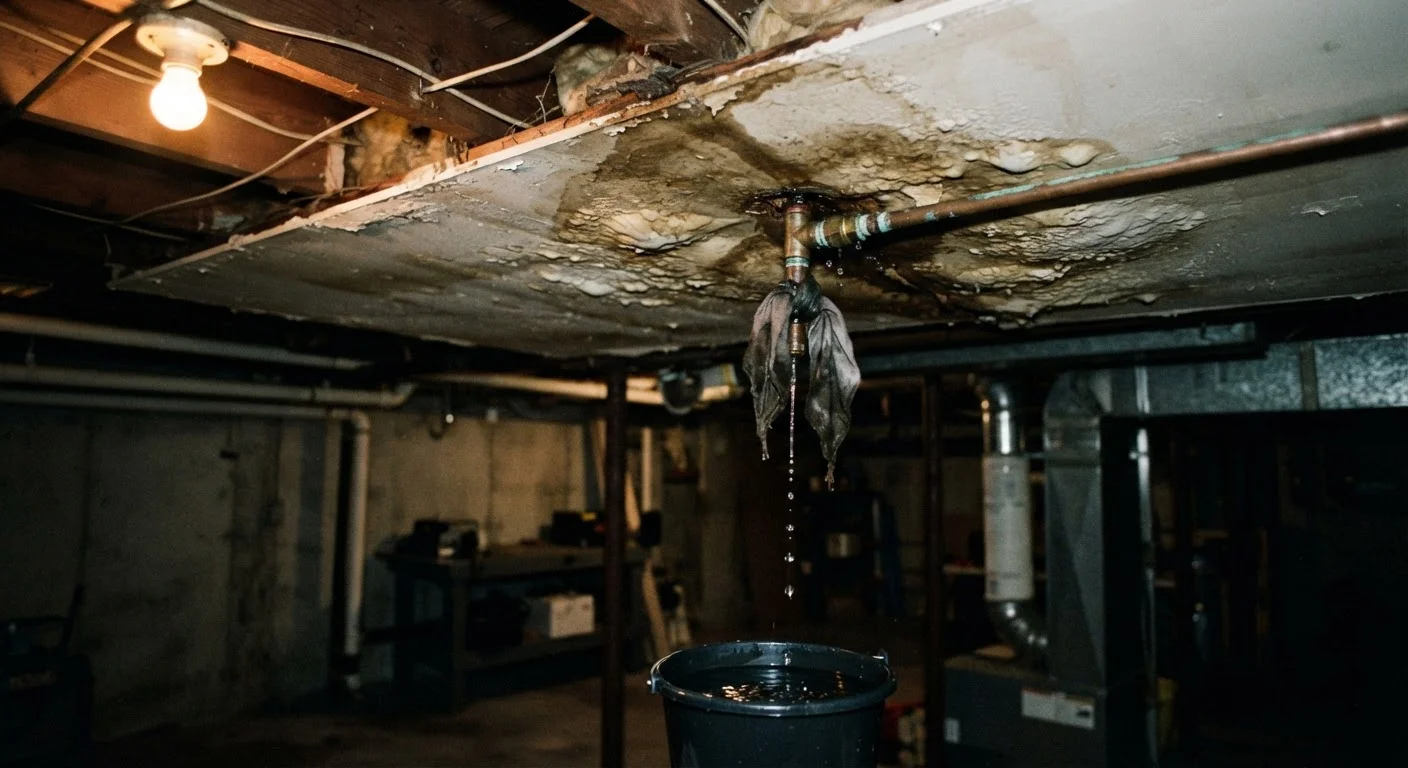
Mistakes during water-related repairs carry the steepest hidden costs. Minor water damage can escalate quickly when the repair is done incorrectly and the leak continues behind a wall for weeks before anyone notices.
Gas lines and electrical panels: do not DIY
Work involving natural gas lines or main electrical panels carries serious safety and legal risks in nearly all U.S. jurisdictions. Errors can cause fires, explosions, carbon monoxide leaks, or electrocution. Licensed professionals are required by code for this work in most areas, and homeowner's insurance policies often exclude coverage for self-performed work on these systems. Verify requirements with your local building department before starting.
Permits, inspections, and resale consequences
Many jurisdictions in the U.S. require permits for electrical panel work, water heater replacements, structural modifications, and additions of any kind. Doing that work without a permit is not just a code violation; it can void homeowner's insurance coverage for related claims and create problems when you sell the home. Buyers' inspectors flag unpermitted work, and lenders sometimes refuse to finance homes with open permit issues.
The cost of pulling a permit after the fact, opening walls for inspection, and correcting work to meet code often exceeds what the permit would have cost originally. Check with your local building department before starting any project that touches systems or structure. Requirements vary by city, county, and state.
Jobs where DIY genuinely saves money
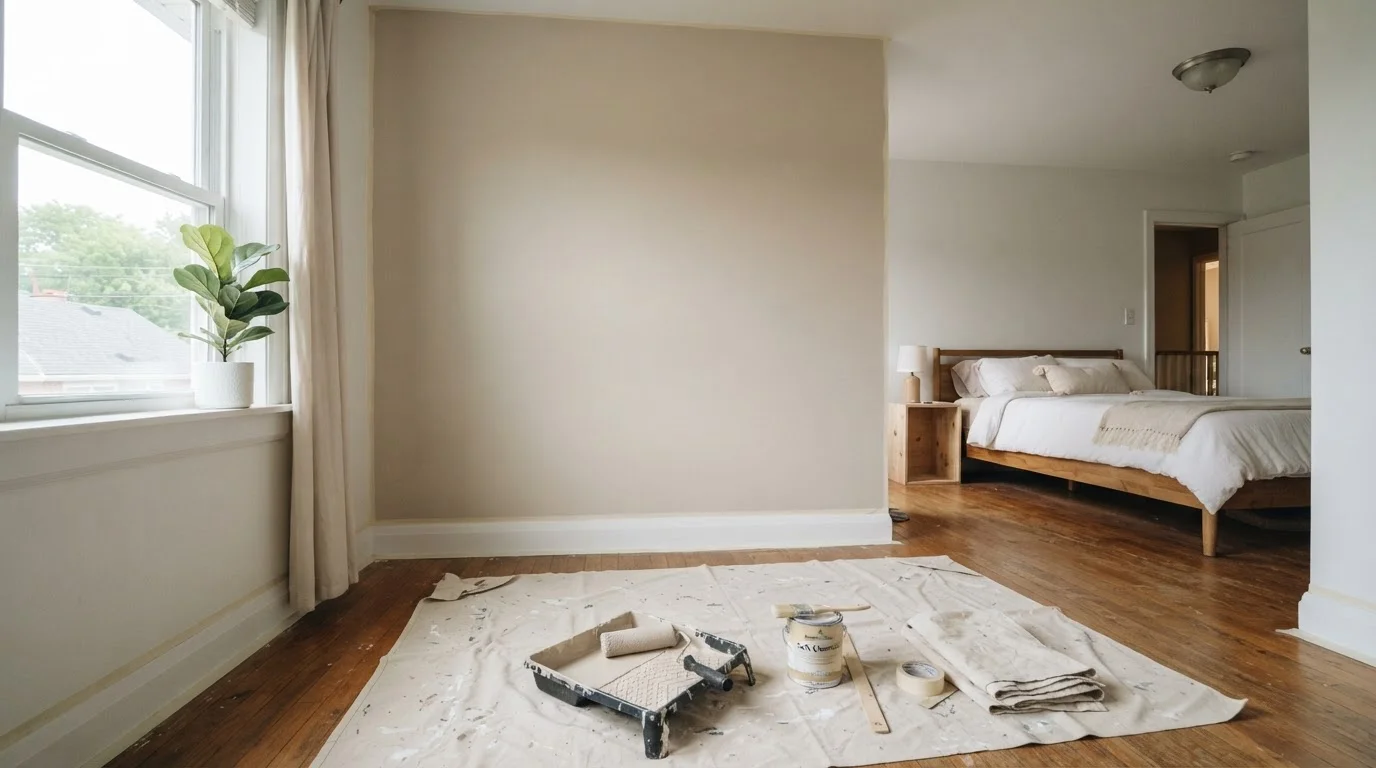
Painting is the clearest example. A room repaint done carefully over a weekend can cost a fraction of what a painter charges, and the skill ceiling is low enough that most adults can produce a clean result with proper prep.
Other tasks that suit most homeowners include replacing outlet covers and switch plates, installing ceiling fans where wiring already exists, refinishing wood furniture, sealing driveways, and basic landscaping. The common thread is that mistakes are visible, correctable, and unlikely to cause damage that spreads. When a job meets those three conditions, DIY is generally worth attempting.
The honest question before any project is whether your skill level matches the job, not whether you could technically complete it given enough time and YouTube videos.