
Why these tasks get skipped
Most home maintenance failures follow the same pattern: nothing looks wrong until something stops working. A dryer takes longer to dry clothes, a water heater makes a rumbling sound, or a window feels drafty in winter. By then, the fix is more expensive than the prevention would have been.
The tasks on this checklist share a few things in common. They are not seasonal reminders you see on every home-improvement list. They involve systems that work silently until they do not. And they are all within reach of a homeowner with basic tools and a few hours on a weekend.
If you are weighing which jobs to handle yourself and which to hand off, the DIY versus hiring guide covers the situations where professional help genuinely pays off.
Laundry and appliances
Water heater
Electrical safety
HVAC and air quality
Moisture and weatherproofing
Plumbing
What you will need before you start
You do not need a truck full of specialized equipment. Most of these inspections require common household tools and a few inexpensive supplies available at any hardware store. Pull everything together before you begin so you can move through the checklist without stopping.
Vacuum with hose attachment
Removes lint from dryer vents and dust from refrigerator condenser coils.
Dryer vent cleaning brush kit
Flexible rods with a brush head that reach the full length of dryer vent duct runs.
Garden hose
Used to flush sediment from the water heater tank via the drain valve.
Flashlight or headlamp
Lets you inspect dark areas under sinks, around the water heater base, and inside the electrical panel.
Screwdriver set
Needed to access vent covers, outlet faceplates, and appliance access panels.
Replacement caulk and caulk gun
Used to reseal gaps around tubs, showers, windows, and exterior penetrations.
Replacement weatherstripping
Restores the door seal on exterior doors that fail the paper slip test.
Work through one category at a time rather than bouncing between floors and systems. That approach also makes it easier to spot patterns, such as multiple areas showing moisture or multiple outlets that have never been tested.
Turn off power before touching outlets or the panel
Testing GFCI outlets and inspecting the electrical panel can be done safely by most homeowners, but never work on wiring or replace breakers without shutting off the appropriate circuit first. If you see burn marks, smell something unusual near the panel, or find wiring that looks damaged, stop and contact a licensed electrician. Do not rely on visual inspection alone to confirm a circuit is de-energized; use a non-contact voltage tester if you proceed past basic observation.
After the audit: what to do with what you find
Once you complete the checklist, sort your findings into three groups: things you can fix today, things that need a scheduled repair within 30 days, and things that require a licensed professional. Write them down. A mental note rarely survives the next busy week.
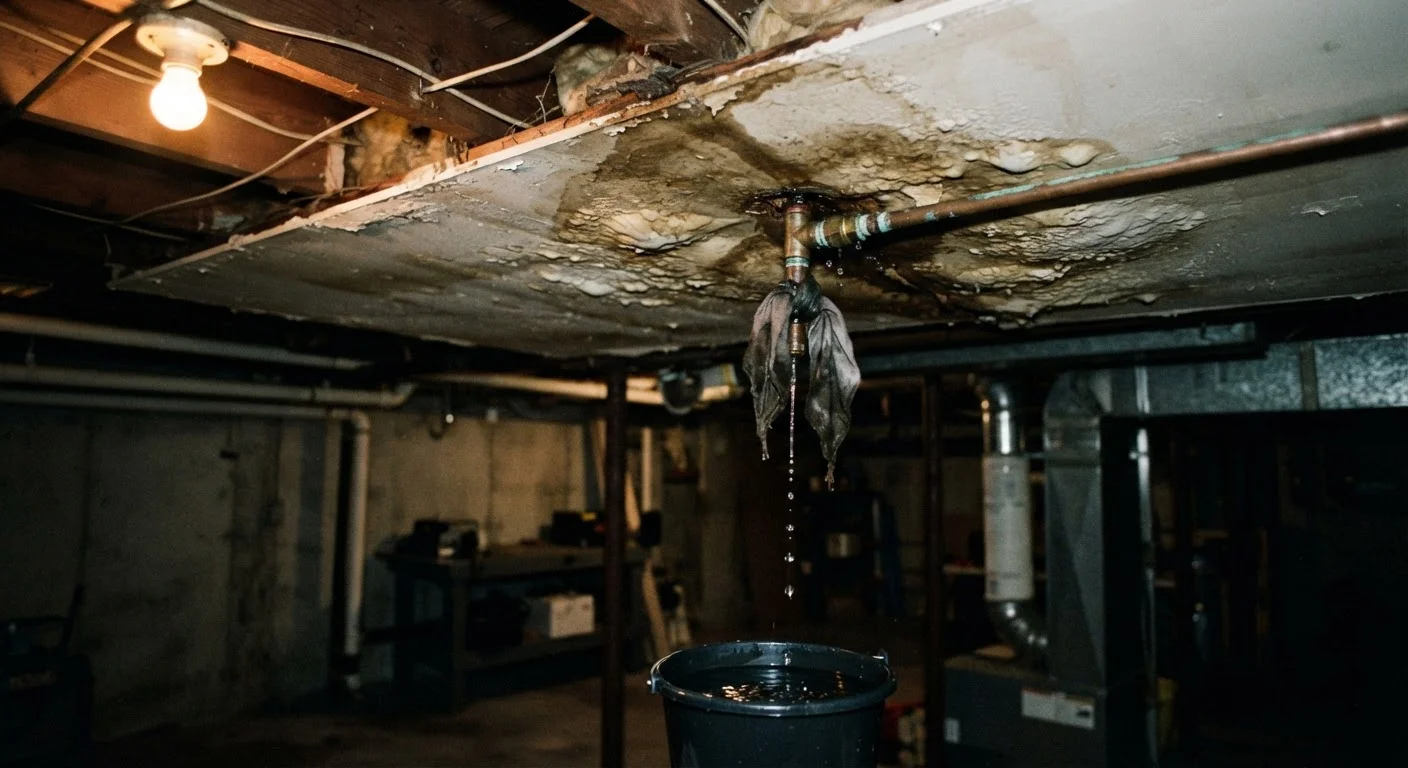
Water-related findings deserve fast action. A slow drain under a sink, discoloration on drywall, or a musty smell near a crawl space are worth addressing within days, not weeks. The common mistakes that turn minor water damage into major repairs article explains why delayed response is the most expensive choice a homeowner makes.
Maintenance habits that keep your home systems running also apply to your household budget. The same discipline that catches a failing sump pump early is what catches spending leaks before they erode your budget. Both come down to checking before something breaks rather than reacting after it does.
This article is for general informational and educational purposes only. Always verify local building codes and permit requirements before performing any work on your home's electrical, plumbing, or structural systems. Consult a licensed professional for any task beyond your skill level or comfort.