
What counts as a high-mileage vehicle
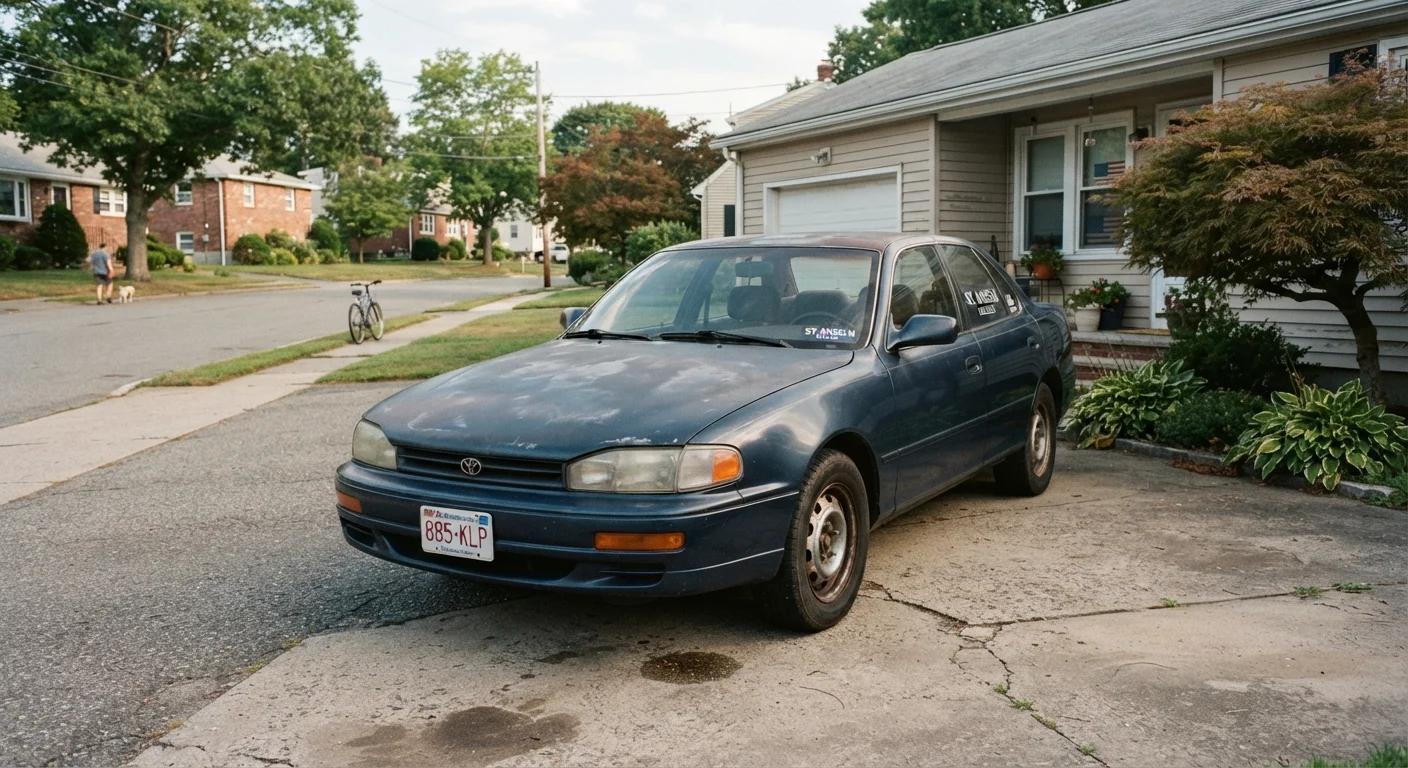
There is no universal cutoff, but vehicles with more than 100,000 miles are commonly described as high-mileage. Many modern cars with regular oil changes and timely belt replacements run reliably past 150,000 or even 200,000 miles. The odometer number alone tells you less than the maintenance history does.
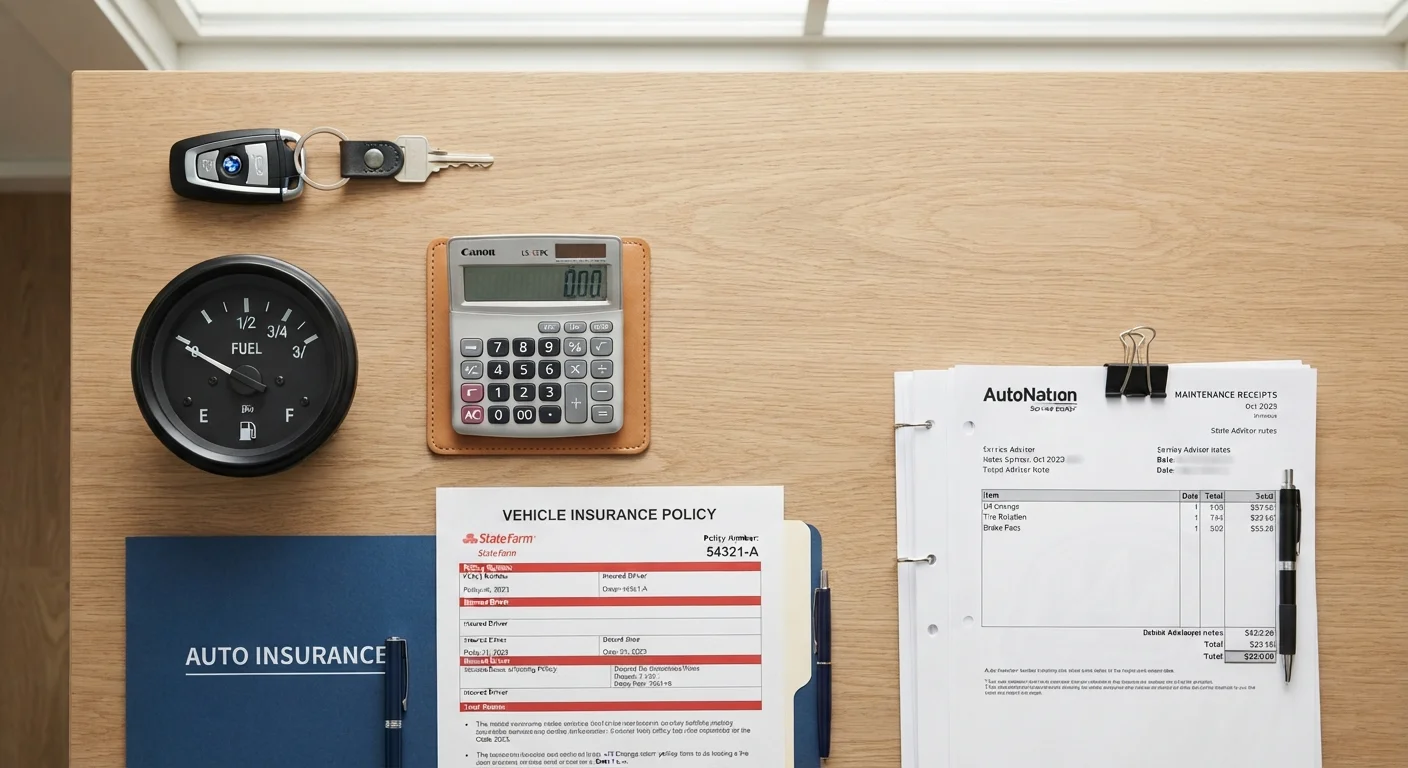
Before weighing the financial trade-offs, it helps to understand what your car's total cost of ownership actually includes, because sticker price and mileage are just two of many variables. A $5,000 car with documented service records and new tires may cost less over three years than a $4,000 car with no paperwork and worn brakes.
The financial case for keeping or buying high-mileage
The most direct benefit is the absence of a monthly loan payment. The average new vehicle loan payment in the United States has exceeded $700 per month in recent years. A family that avoids that obligation frees up significant cash for other priorities.
Insurance costs also tend to drop sharply with vehicle age. Comprehensive and collision coverage on an older vehicle may cost less to carry or may not be worth carrying at all once the vehicle's market value falls below a few thousand dollars. That decision deserves its own annual review, which is part of a broader annual car cost audit.
Depreciation, the largest cost most new-car buyers absorb, is mostly spent. A 12-year-old vehicle with 130,000 miles has already lost the bulk of its original value. The owner is no longer paying for that loss.
$700+
Average monthly new vehicle loan payment
Experian's State of the Automotive Finance Market report has tracked average new vehicle monthly payments above $700 in recent quarters.
20%+
Typical first-year depreciation on a new vehicle
Industry analysts have long cited first-year depreciation of 15 to 25 percent as typical for most new vehicle categories.
Where high-mileage ownership costs money
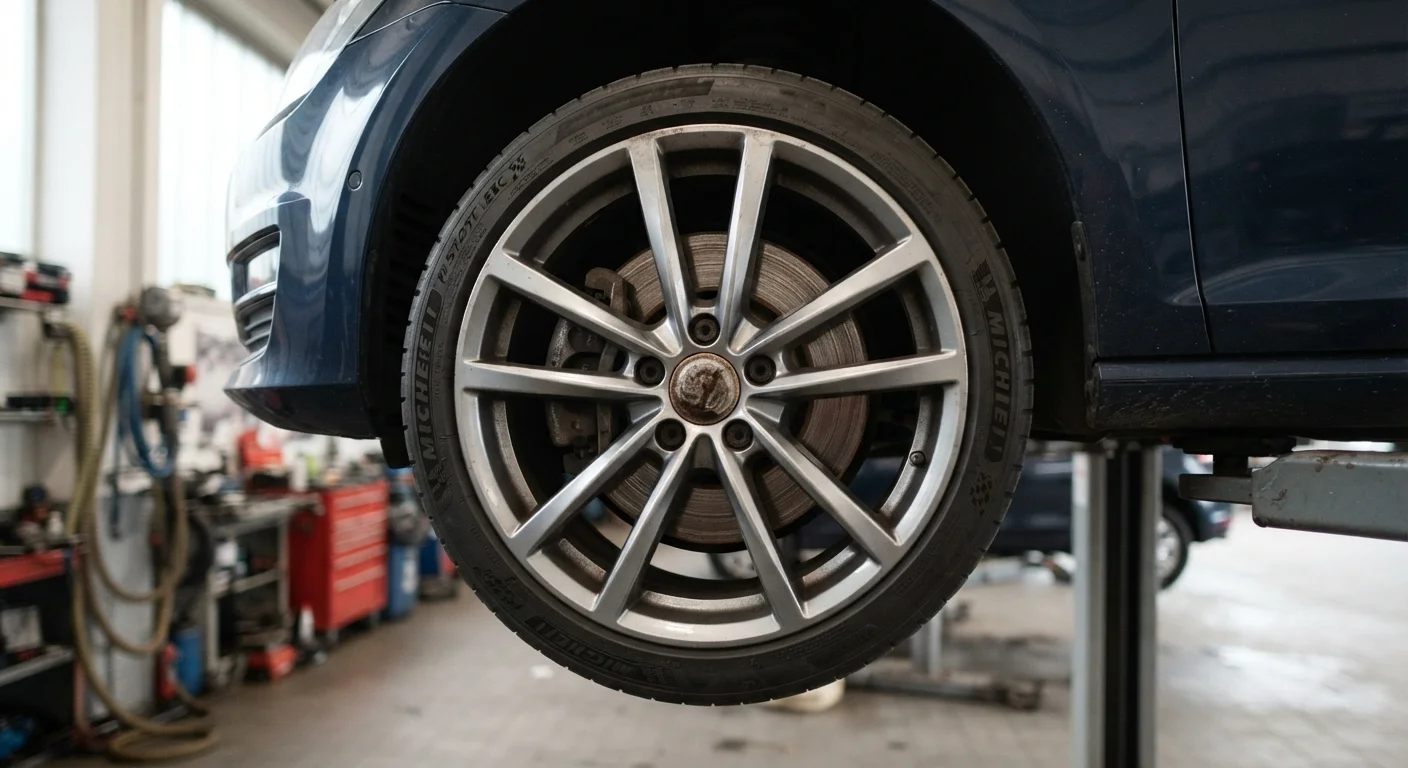
Repair frequency is the central risk. Rubber components like belts, hoses, and seals degrade with age and heat cycles independently of mileage. A vehicle that has sat unused can have just as many worn components as one driven hard. Cooling system failures, transmission issues, and suspension wear become more common past 120,000 miles, and a single major repair can reach $1,500 or more.
Fuel economy may also be lower than a newer equivalent, depending on the vehicle's original design and current engine condition. Worn oxygen sensors, dirty injectors, and aged spark plugs all reduce efficiency without triggering a warning light immediately.
Driving habits that quietly wear out cars faster compound these issues. Short cold trips, hard braking, and neglected fluid changes add up on any vehicle, but the margin for error shrinks as components age.
No monthly loan payment
Buying a high-mileage vehicle outright eliminates financing costs entirely. That frees up cash that would otherwise go to interest and principal for years.
Lower insurance premiums
Older vehicles carry lower market values, which reduces or eliminates the need for comprehensive and collision coverage, cutting annual insurance costs meaningfully.
Depreciation already absorbed
New vehicles can lose 20 percent or more of their value in the first year. A high-mileage car's previous owner absorbed that loss, not the current buyer.
Lower registration fees in most states
Many states base annual registration on vehicle value or model year, so older vehicles often carry lower fees than newer ones.
Simpler repairs in many cases
Older vehicles generally have less complex electronics, which can make some repairs more accessible to DIY maintenance and less expensive at independent shops.
Higher repair frequency as mileage climbs
Belts, hoses, seals, and suspension parts wear with age and heat. Past 120,000 miles, the probability of a repair need in any given year rises noticeably.
Unpredictable large repair bills
A transmission replacement or engine repair can cost more than the vehicle's market value. Without a repair reserve, a single failure can be financially disruptive.
Fewer modern safety features
Vehicles from earlier model years may lack electronic stability control, advanced airbags, or collision warning systems that are now standard on newer cars.
Potentially lower fuel efficiency
Worn engine components and aged emissions hardware can reduce miles per gallon compared to the vehicle's original rating, adding to running costs over time.
Reliability uncertainty affects daily life
An unexpected breakdown can mean missed work, towing costs, and rental expenses. Families without a backup vehicle feel this risk more acutely.
How to judge whether a specific vehicle is worth it
A pre-purchase inspection by an independent mechanic is the most reliable filter available. It typically costs between $100 and $150 and can surface problems invisible to a visual check. For a vehicle already owned, a shop inspection every 12 months can catch developing issues before they become failures.
Request a vehicle history report and compare it against the physical condition. Look for consistent oil change intervals, records of major service items like timing belts and coolant flushes, and any gaps in documentation that warrant explanation.
Building a dedicated repair reserve matters as much as the inspection. Families who set aside a fixed monthly amount, even $75 to $100, absorb most routine repairs without financial disruption. The habits covered in keeping your car reliable without breaking the budget apply directly here: consistent maintenance is cheaper than reactive repair.
Timing belts and water pumps are not optional
Many interference engines require timing belt replacement at intervals between 60,000 and 105,000 miles. If the belt breaks on this engine type, it typically destroys the engine. Any high-mileage vehicle purchase should confirm this service was completed at the correct interval. If documentation is missing, budget for the replacement before driving the vehicle extensively.
When the math stops working
There is a point where continued ownership stops making financial sense. If annual repair costs approach or exceed what a replacement vehicle payment would cost, the high-mileage calculation reverses. A useful benchmark: when one year's repair bills exceed the vehicle's current market value, it is worth reconsidering.
Safety equipment is another factor. Vehicles built before certain model years lack features like electronic stability control, which became federally required in new vehicles starting with the 2012 model year, or modern airbag configurations. Families with young children may weight these gaps differently than a single commuter would.
Total cost of ownership across all categories, fuel, insurance, repairs, registration, and opportunity cost of unreliability, gives a more honest picture than any single number. The Smart Family Savings framework is a practical place to apply that kind of full-picture thinking to auto decisions alongside other household costs.