
Why preventive maintenance pays for itself
Most major car repairs trace back to something small that was ignored. A low coolant level becomes an overheated engine. Worn brake pads become damaged rotors. A slow oil leak becomes a seized motor. The repair costs at each end of those progressions are not comparable.
Scheduled maintenance, the items listed in your owner's manual by mileage or time intervals, is not optional upkeep. It is the manufacturer's documented minimum for keeping the vehicle mechanically sound. Skipping or delaying those intervals is how families end up spending several thousand dollars on a repair that a $40 fluid change could have prevented.
The logic is the same as the one behind preventive health checkups: addressing something before it becomes a crisis is almost always cheaper than treating it after. For your car, that means staying current on oil changes, filter replacements, and fluid inspections rather than waiting for a warning light.
Follow your owner's manual maintenance schedule, not just warning lights.
Warning lights indicate a problem that has already developed. The maintenance schedule prevents problems from forming in the first place. Manufacturers design these intervals around component wear data, not arbitrary timelines.
Check tire pressure monthly and before long trips.
Tires lose roughly one pound of pressure per month under normal conditions, and more in cold weather. Low pressure accelerates tread wear and lowers fuel efficiency, both of which cost money over time.
Address unusual sounds or warning lights within a week, not months.
Minor mechanical issues compound when ignored. A squealing brake pad costs far less to replace than the rotor damage that follows if the pad wears completely through. Delayed attention turns small repairs into large ones.
Keep a written record of every service performed on the vehicle.
A maintenance log tells you exactly what has been done and when, so nothing slips past its interval. It also demonstrates to a future buyer that the car was cared for, which supports resale value.
Set aside a fixed monthly amount specifically for car repairs.
Unplanned repair costs are the most common reason families defer necessary maintenance, which leads to bigger expenses later. A dedicated fund removes that pressure without requiring a large lump sum upfront.
What to monitor between shop visits
You do not need mechanical training to catch most problems early. A short walk-around and a few under-hood checks done every few weeks cover the majority of issues that catch families off guard.
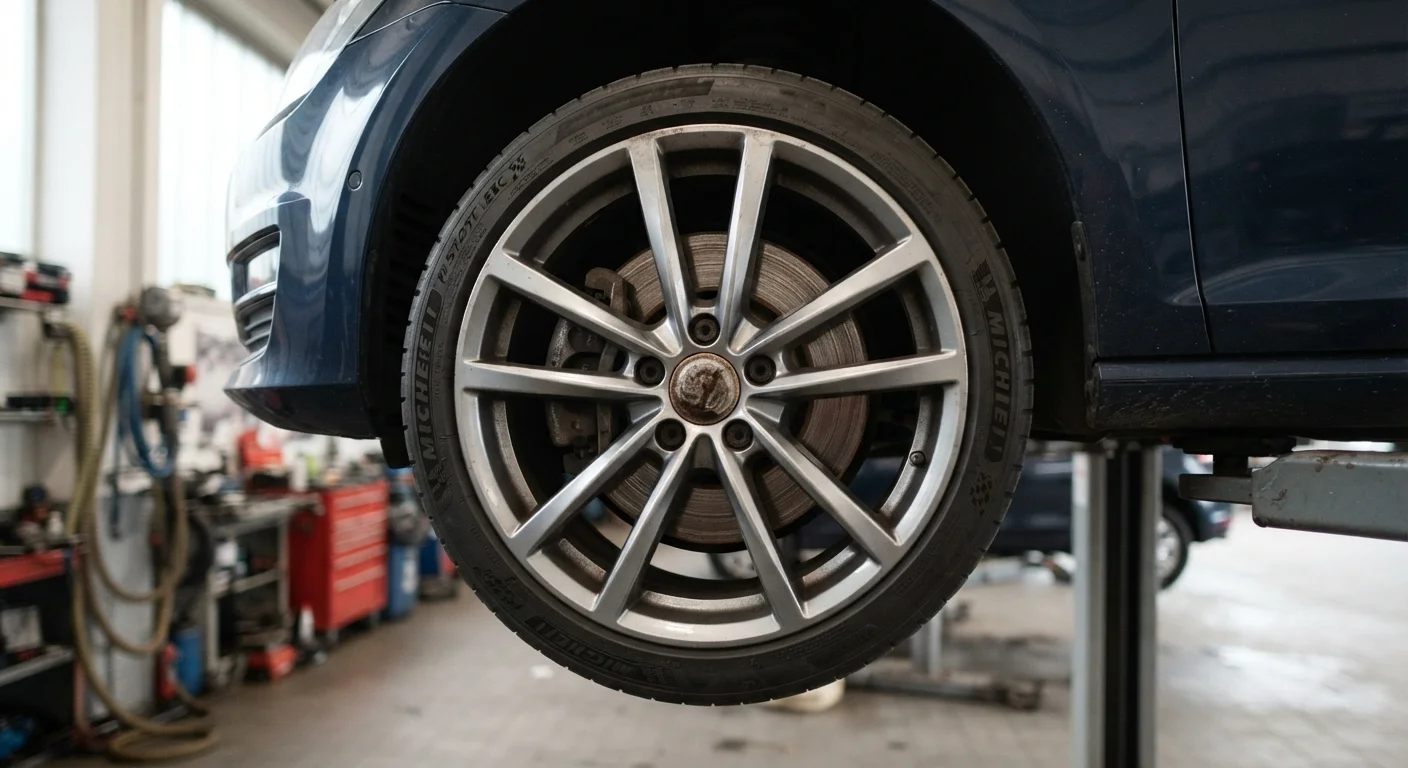
Tire pressure deserves attention at least once a month. Underinflated tires wear unevenly, reduce fuel efficiency, and increase blowout risk. A basic tire pressure gauge costs a few dollars and the check takes under five minutes. Your door jamb sticker lists the correct pressure for your specific vehicle, not the number printed on the tire sidewall.
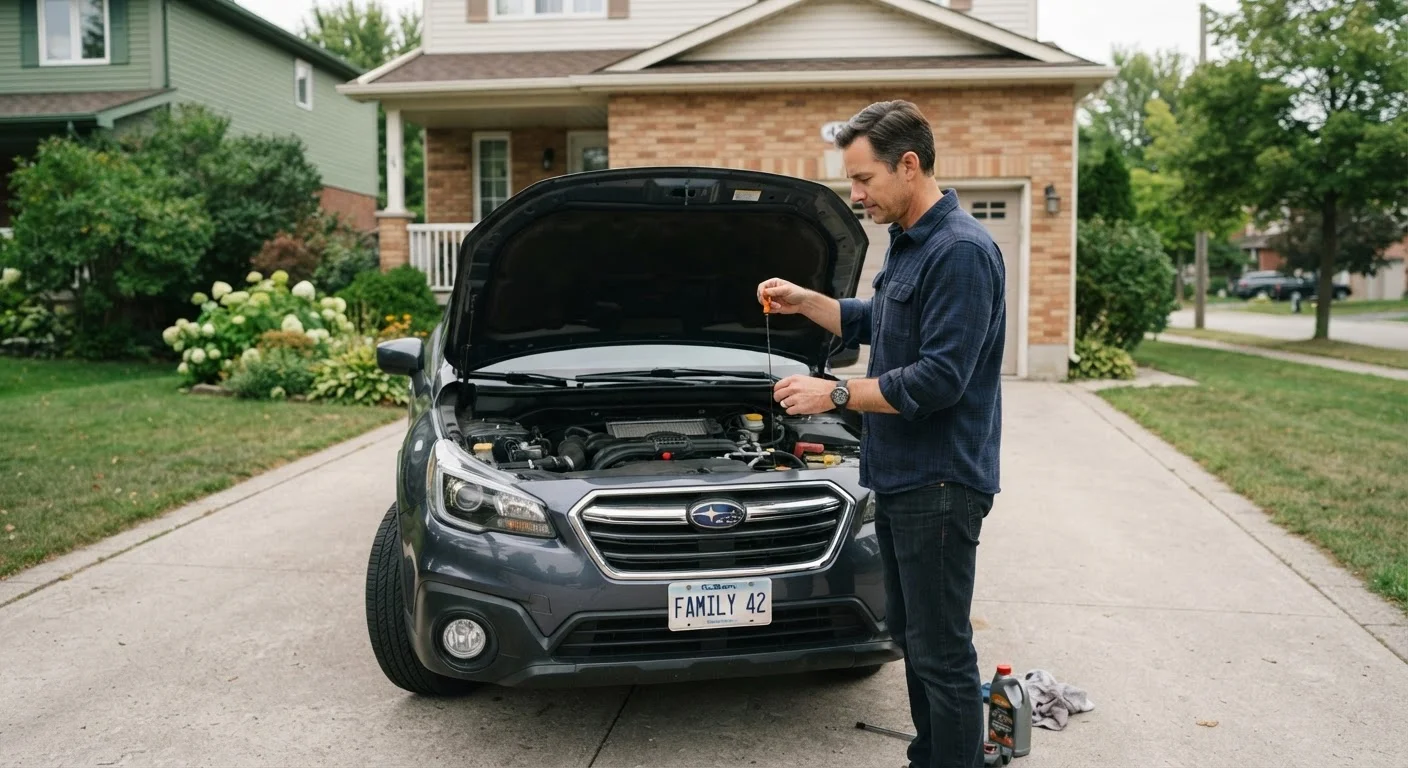
Engine oil level and color are easy to read on the dipstick. Dark, gritty oil past the change interval is overdue. Low oil on a vehicle that was recently serviced signals a leak or consumption issue worth investigating before it worsens. Coolant, brake fluid, and windshield washer fluid each have visible reservoirs with clear min/max marks.
Listening while you drive is also useful. New squealing, grinding, or clunking sounds rarely disappear on their own. Getting them assessed early, before they worsen, is almost always cheaper. For a broader look at how daily driving behaviors affect wear, see habits that quietly wear out your car.
Handling repairs without financial whiplash
Even with diligent maintenance, cars require unplanned repairs. The difference between a manageable expense and a financial crisis often comes down to preparation.
A dedicated car repair fund, separate from general savings, removes the pressure of deciding whether to fix a safety issue based on what's currently in checking. Contributing a modest fixed amount each month builds a buffer that covers most common repairs without debt or deferred maintenance.
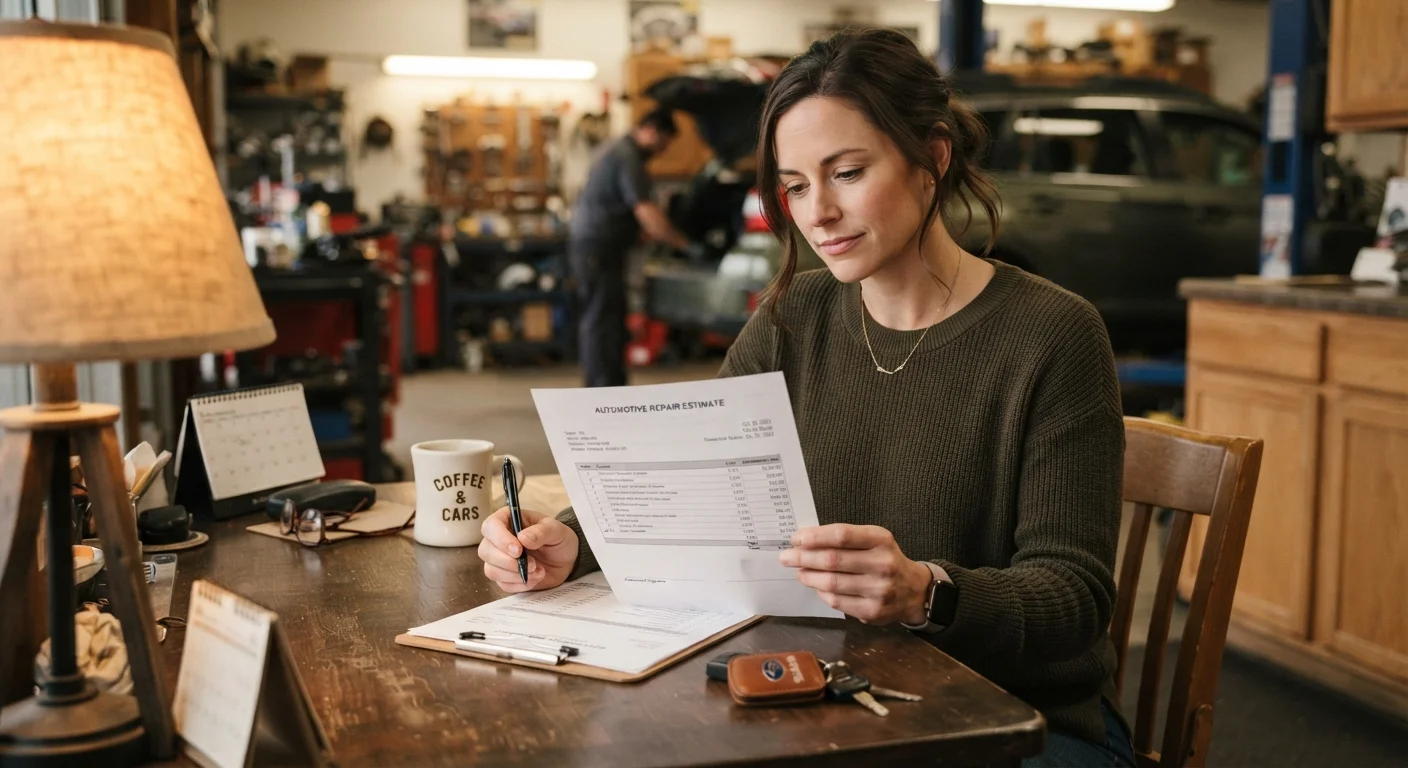
When a repair is needed, reading the repair estimate carefully before signing anything is worth the time. Labor rates, parts sourcing, and diagnostic fees vary significantly between shops. An itemized estimate lets you ask specific questions and identify any line items that seem inconsistent with the described problem.
For families weighing whether to keep an aging vehicle or move on, the full trade-off picture on high-mileage vehicles covers what that decision actually involves financially. And for a complete view of every expense your car generates, total cost of ownership is a useful reference.
Building habits that reduce long-term costs
Reliability over time is mostly a product of consistency, not any single action. Families who keep vehicles running well for 150,000 miles or more tend to share a few straightforward habits: they follow the maintenance schedule, address problems when they are small, drive smoothly, and track what has been done and when.
Keeping a simple maintenance log, either a notes app or a physical folder in the glovebox, makes it easy to know what is due and provides documentation that matters if the vehicle is ever sold. A car with verifiable service records is easier to sell and commands a stronger price.
An annual car cost audit is a practical way to review every expense the vehicle generated over the past year, spot patterns, and plan ahead for upcoming service intervals or likely repairs. It takes the guesswork out of budgeting for transportation. For context on how car costs fit into your household's overall picture, general family savings strategies cover the broader budgeting framework.