
Why the sticker price is not the cost
When families budget for a car, they usually focus on the monthly payment. That payment reflects only the purchase price spread over the loan term, plus interest. It leaves out most of what owning a car actually costs. Total cost of ownership accounts for every dollar the vehicle takes from your household, whether that happens at the dealership, at the pump, or in a repair shop three years from now.
Understanding TCO before you commit to a vehicle puts you in a fundamentally different position. You can compare a $22,000 car with a $28,000 car on equal terms, factoring in what each will cost to fuel, insure, and maintain over the years you plan to own it.
The major cost categories
Depreciation is the loss in a vehicle's market value between purchase and sale. It is the largest cost for most owners and the least visible, because no bill arrives for it. New vehicles lose value fastest in years one through three. Buying a vehicle that is two or three years old shifts the steepest depreciation to the previous owner.
Financing charges include all interest paid on an auto loan. On a $25,000 loan at 7 percent over 60 months, total interest paid exceeds $4,600. Shortening the loan term or securing a lower rate reduces this figure directly.
Insurance is required in nearly every U.S. state, and premiums vary based on the vehicle's make, safety ratings, theft rates, your driving record, and your ZIP code. A vehicle with a lower sticker price can carry higher insurance costs than a more expensive one, depending on these factors.
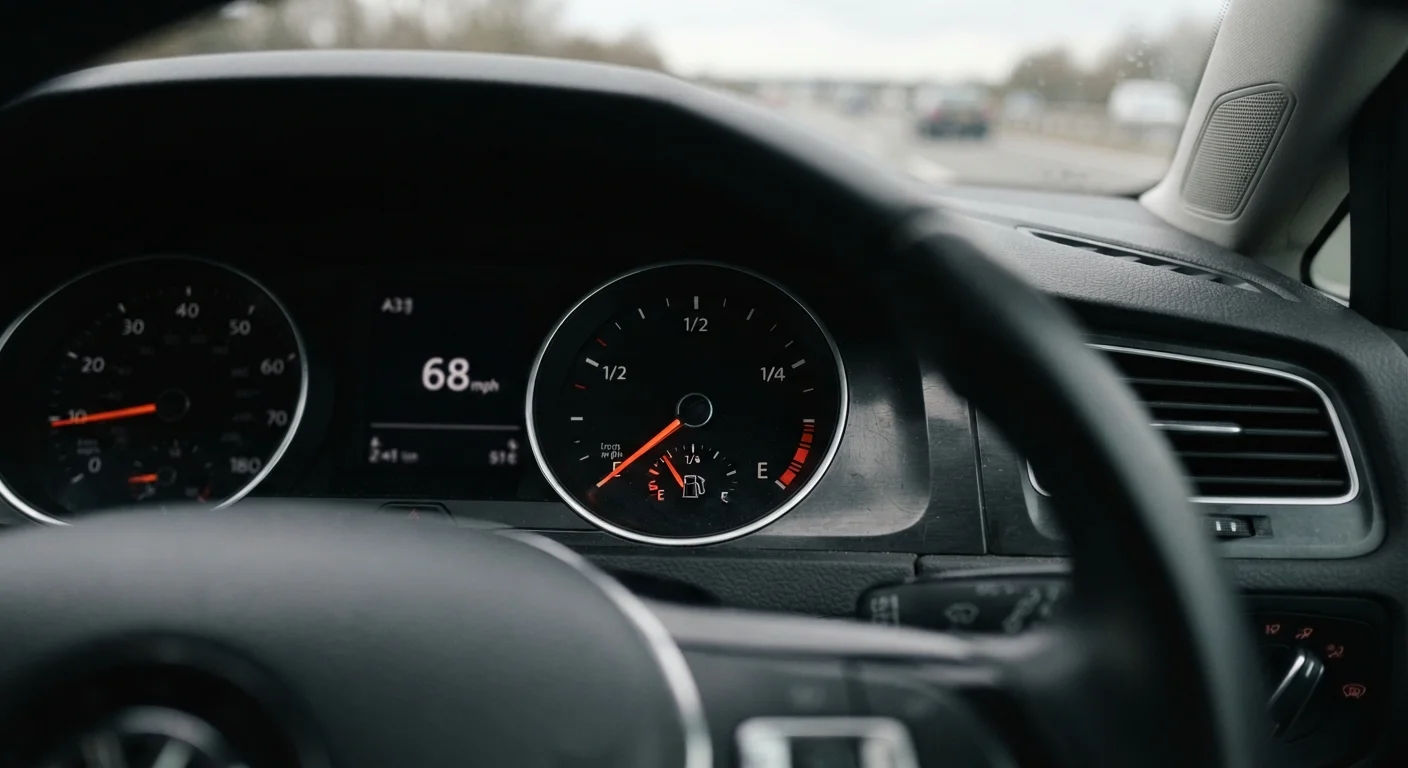
Fuel is a daily cost that compounds over years. A vehicle averaging 20 mpg driven 15,000 miles per year consumes 750 gallons annually. At $3.50 per gallon, that is $2,625 per year. The same miles in a 35-mpg vehicle cost $1,500. See what the evidence shows about fuel economy for common misconceptions that affect this calculation.
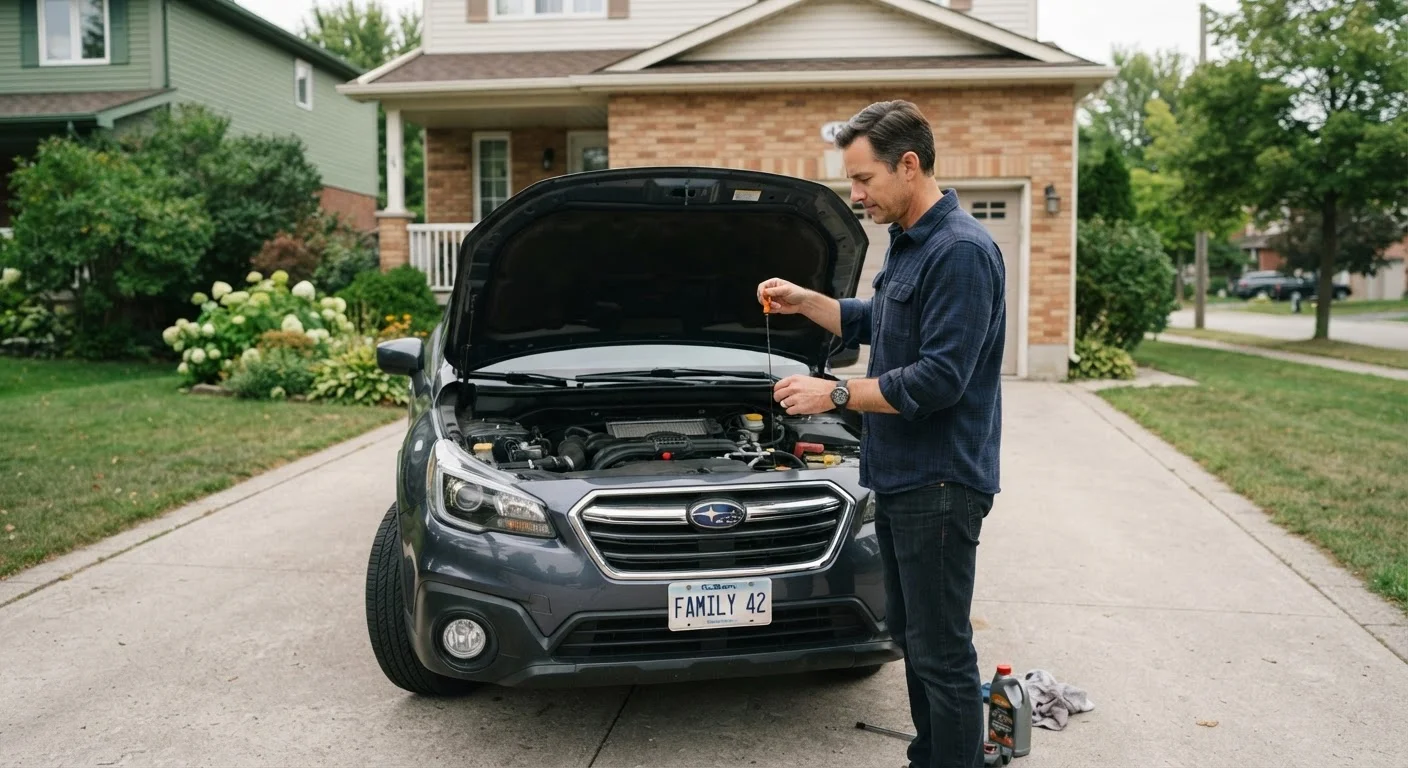
Maintenance covers oil changes, tire rotations, brake pads, filters, belts, and fluid replacements. These costs are mostly predictable and follow the manufacturer's service schedule. Smart maintenance habits protect vehicle longevity while keeping costs manageable.
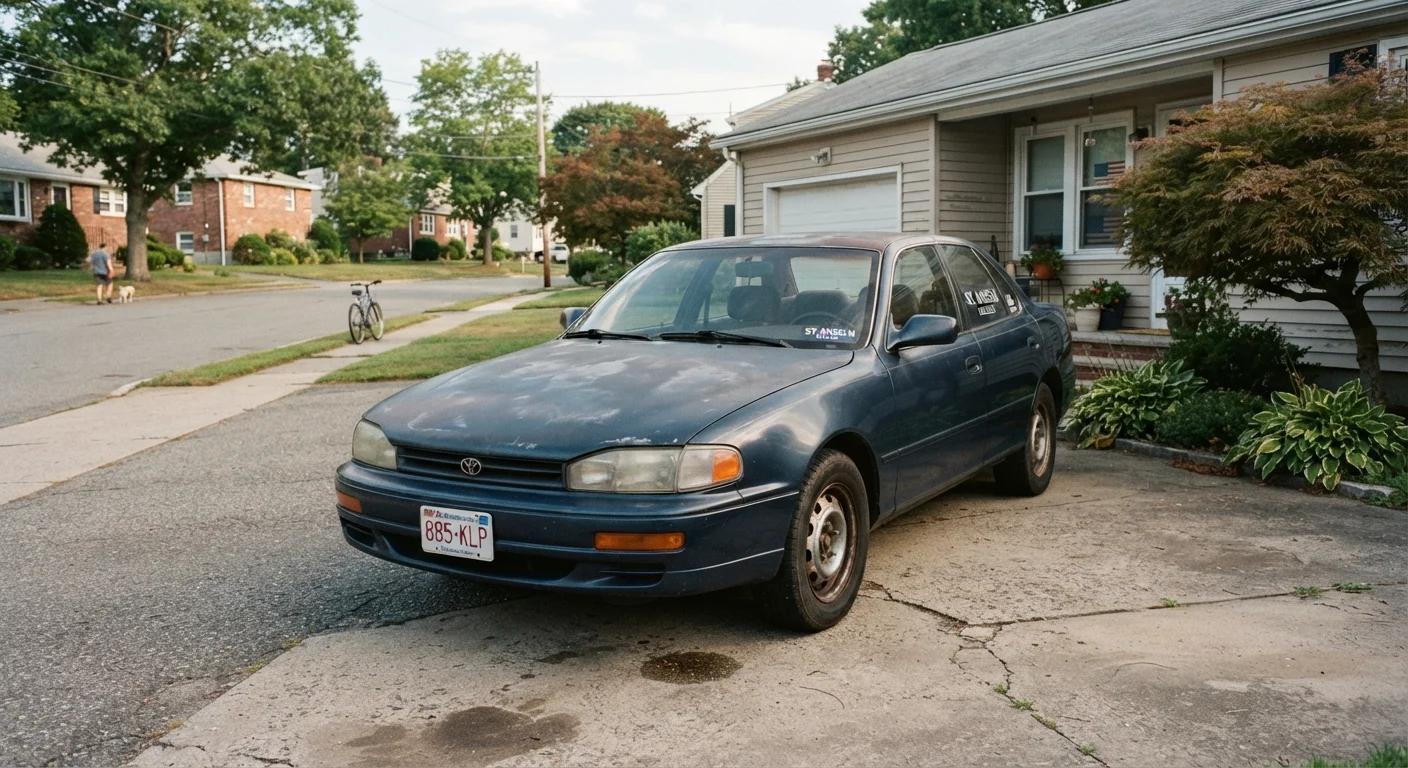
Repairs are unpredictable but statistically certain over a long ownership period. Older vehicles typically carry lower depreciation and purchase costs, but higher repair exposure. Building a repair reserve into your budget is more effective than hoping for zero breakdowns.
Taxes, registration, and fees vary by state and sometimes by county. Sales tax on a $25,000 purchase at 8 percent adds $2,000 at signing. Annual registration fees range from under $50 in some states to several hundred dollars in others. Many states also require periodic inspections with associated fees.
Build a per-mile cost before you buy
Divide your estimated annual total cost by your expected annual mileage to get a per-mile cost. This single number makes it easy to compare vehicles of very different prices, fuel types, or insurance tiers on one consistent basis. It also helps you understand what each additional mile of driving actually costs your household.
Costs that are easy to overlook
Parking, tolls, and garage costs do not show up in most TCO estimates, but for families in urban areas they can rival fuel expenses. A monthly parking permit in many cities runs $100 to $300.
Roadside assistance and extended warranties are optional expenses that reduce financial risk but add to total cost. If a manufacturer warranty covers a vehicle for three years, buying an extended plan before that window closes is a separate financial decision worth evaluating on its own terms, rather than bundled into a purchase decision under time pressure.
Certain driving habits accelerate wear on brakes, tires, and the drivetrain, raising maintenance and repair costs that do not appear in any standard TCO estimate. Hard braking and frequent short cold-weather trips are two common contributors.
Putting the numbers together
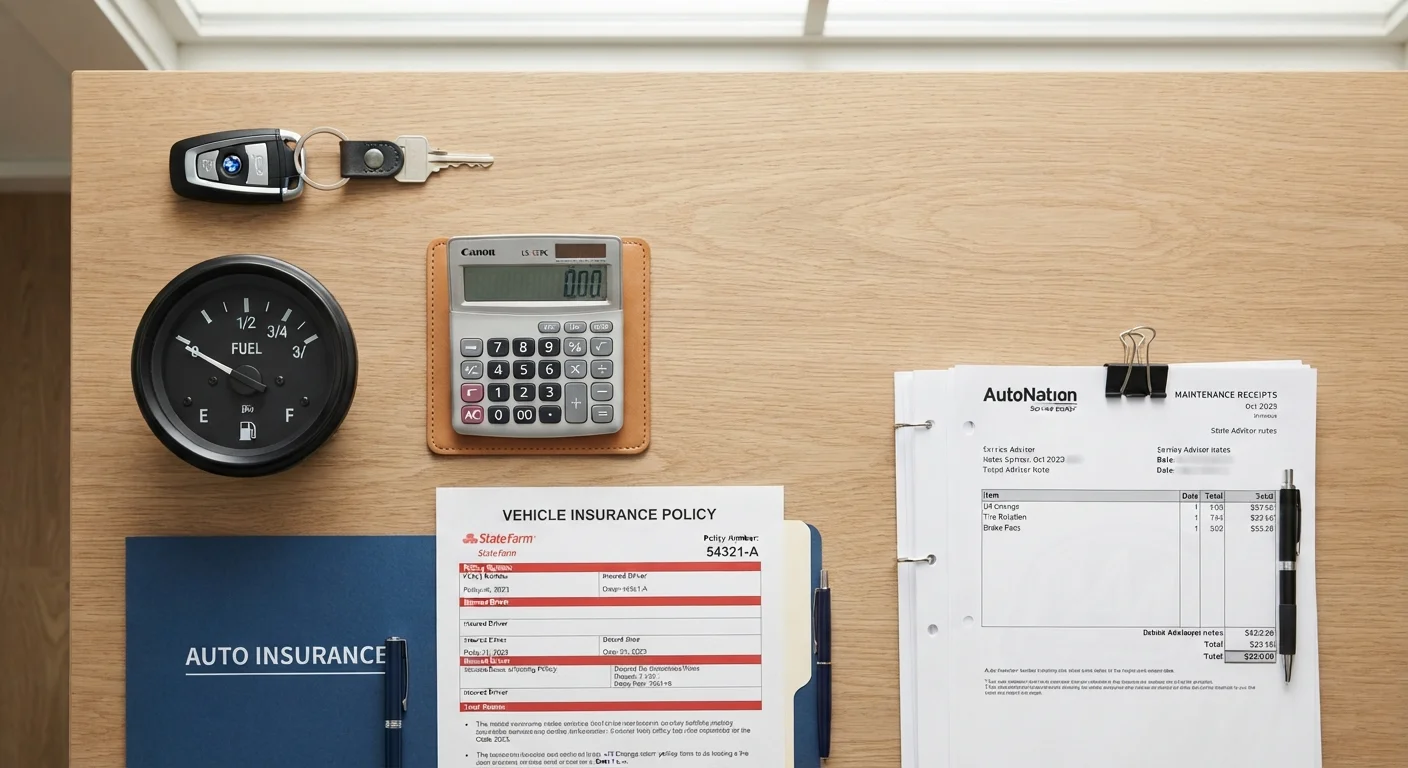
A practical approach is to build a simple annual cost sheet: expected depreciation for the year (based on market data for that vehicle and age), insurance premiums, estimated fuel cost at your actual annual mileage, scheduled maintenance, and a repair reserve. Add in registration and any recurring fees. Divide by 12 to get a realistic monthly cost of ownership rather than just the loan payment.
This exercise often reveals that two vehicles with similar monthly payments have meaningfully different total costs, because one depreciates faster, costs more to insure, or uses more fuel. Reviewing every auto expense once a year is a practical way to catch costs that have drifted upward without notice.
$12,000+
Average annual cost to own a new vehicle in the U.S.
AAA's annual Your Driving Costs study consistently places the full ownership cost of a new vehicle above $10,000 per year when depreciation, insurance, fuel, and maintenance are included.
15-20%
Value a new car can lose in its first year
Automotive valuation sources consistently show new vehicles depreciate fastest in years one and two, with the first year alone often representing 15 to 20 percent of purchase price.
$1,000+
Annual fuel cost difference between 20 and 35 mpg vehicles
Based on 15,000 miles driven per year at $3.50 per gallon, a 15-mpg difference in fuel economy produces a savings of more than $1,100 annually.