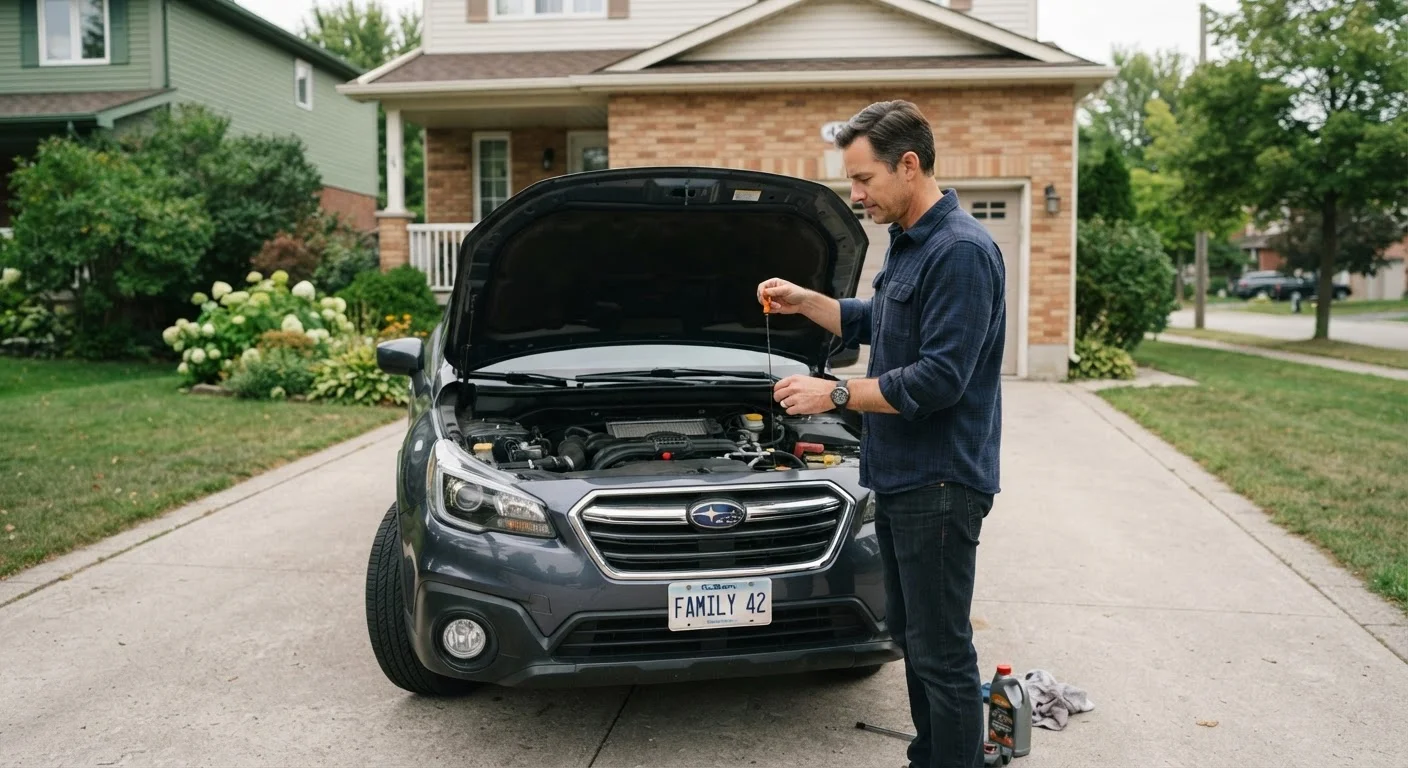

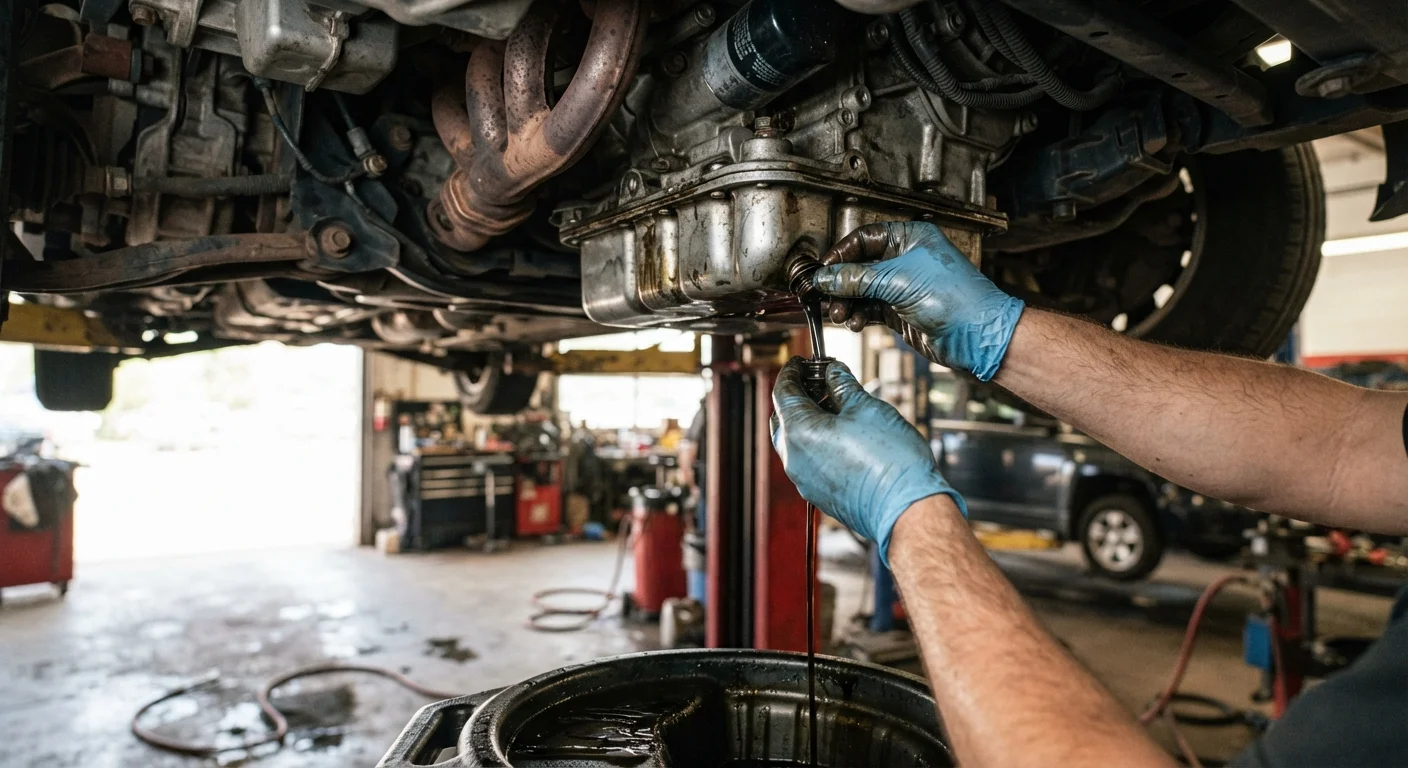
What each option actually costs
The material cost of a DIY oil change, meaning the oil and filter, generally runs between $25 and $55 depending on whether you use conventional or full synthetic oil and which filter your vehicle requires. That figure does not include tools. A basic oil drain pan, filter wrench, and funnel together cost $30 to $60 if you do not already own them. Jack stands or ramps add another $30 to $80 if your vehicle sits too low to access the drain plug without lifting it.
Shop prices for a conventional oil change typically range from $40 to $70. Full synthetic service at most shops falls between $70 and $110. Those prices vary by region, vehicle type, and service provider. The gap between DIY material cost and shop price narrows considerably once you factor in your tool purchase, and it may take six or more changes before you break even on the initial outlay.
That math changes over time. Owners who keep a vehicle for several years and change the oil on schedule will generally come out ahead with DIY, assuming they already have or can borrow the tools. For someone on their first attempt with no tools on hand, the savings in year one may be minimal. See our guide to keeping maintenance costs manageable for a broader view of where oil changes fit in your overall budget.
| Criterion | DIY oil change | Shop oil change |
|---|---|---|
| Typical material cost (synthetic) | $25 to $55 | $70 to $110 |
| Upfront tool investment | $60 to $140 (one-time) | None |
| Time required | 45 to 90 min including disposal | 20 to 45 min total |
| Used oil disposal | Your responsibility | Handled by shop |
| Vehicle inspection included | Only if you do it yourself | Usually included |
| Service documentation | Self-recorded only | Printed receipt provided |
| Safe workspace required | Yes, flat surface and jack stands | No |
Time, safety, and the hidden work
A shop change takes 20 to 45 minutes of your time, including waiting. A DIY change on a familiar vehicle takes about the same, but that excludes gathering materials beforehand and disposing of used oil afterward. Most auto parts retailers accept used oil at no charge, but you need a sealed container and a trip to drop it off. Skipping proper disposal is not a legal option in any U.S. state.
Safety depends entirely on your setup. Working under a vehicle supported only by a floor jack is dangerous. Proper jack stands or drive-up ramps are not optional safety extras; they are the minimum equipment for safe under-vehicle work. If your driveway slopes, your parking surface is soft, or you have no safe place to work, the correct answer is the shop.
Shops have one advantage that rarely shows up in cost comparisons: a technician typically checks fluid levels, tire pressure, and visible wear items while the car is on the lift. That inspection does not guarantee they will catch everything, but it adds a second set of eyes at no extra charge. Owners who handle their own maintenance can build an equivalent habit by doing a walk-around check every change, which takes only a few minutes. For a realistic look at when professional help pays off versus when DIY makes sense, the same cost-benefit logic applies to home repairs and is worth reading alongside this comparison.
Skill level and vehicle complexity
Most passenger cars and trucks built in the last 30 years follow a straightforward procedure: locate the drain plug, drain the oil, swap the filter, refill with fresh oil, check for leaks. A first-timer who reads the vehicle's owner manual and watches a model-specific video can complete this correctly. The task does not require advanced mechanical knowledge.
Some vehicles complicate it. Certain models place the oil filter in a position that requires removing a splash shield or using a specialized socket. Turbocharged engines or those with dry-sump systems may have additional steps. If your vehicle is one of these, factor in the extra time and the possible need for model-specific tools before deciding. High-mileage vehicles sometimes have stripped drain plug threads or seized filters, which can turn a routine task into a repair job that belongs at a shop regardless of your skill level.
Overfilling or underfilling oil, or failing to seat the drain plug correctly, can cause serious engine damage. If you are unsure about any step, a shop visit is cheaper than the repair bill for an engine that ran dry or leaked out its oil on the highway.