
How your daily driving style affects repair costs
Most vehicle wear is gradual and invisible until a component fails. The habits described below do not cause immediate breakdowns, but each one shortens the service life of specific parts. Catching them early is one of the lowest-cost ways to protect a car budget over time. For a broader picture of how maintenance choices affect long-term ownership costs, see our guide to keeping your car reliable on a budget.
Hard braking at the last moment
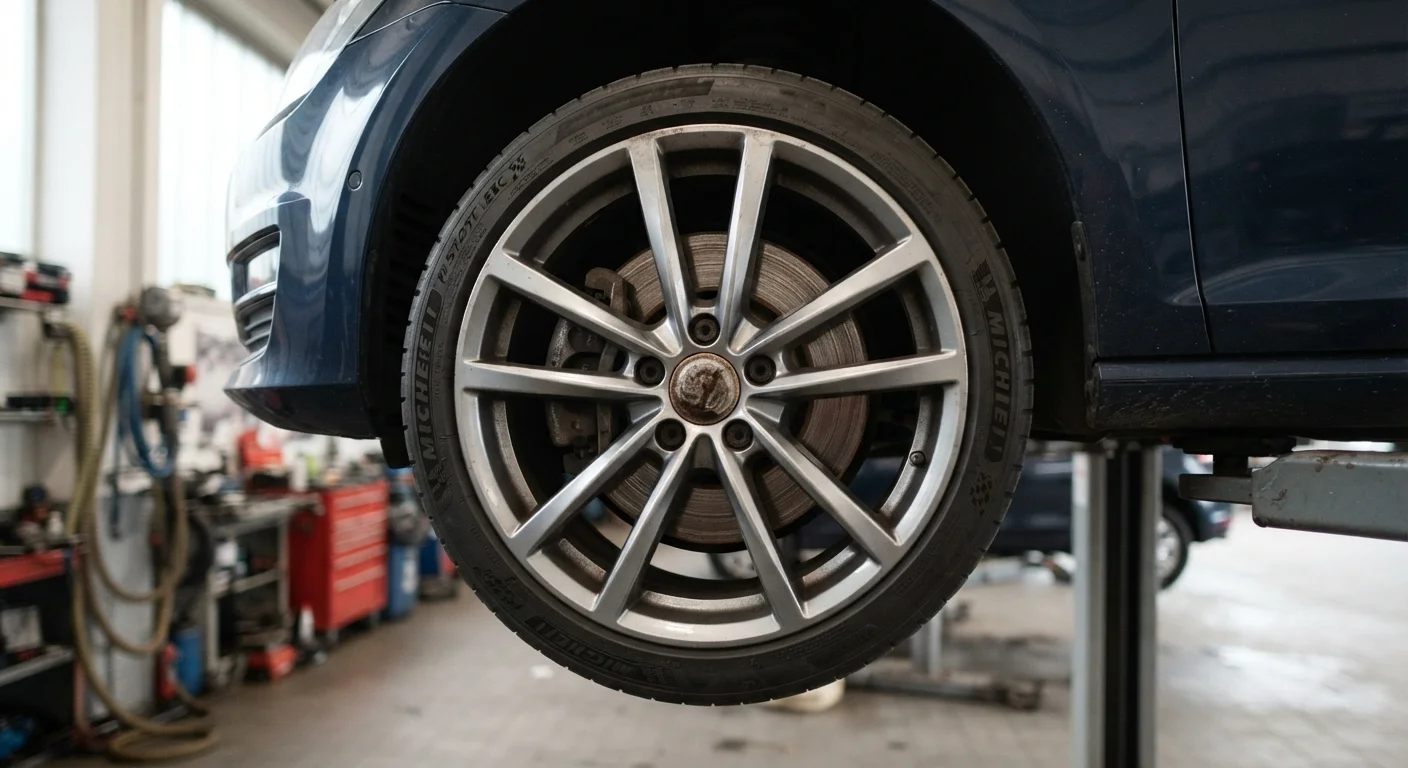
Waiting until the last second to brake converts speed into heat rather than allowing friction material to wear evenly over a longer distance. Brake pads that experience repeated hard stops from high speeds can wear in half the time compared to progressive braking from the same speeds. Rotors can warp from thermal stress, turning a pad replacement into a pad-and-rotor job. Leaving more following distance is the only adjustment needed.
Repeated hard stops can cut brake pad life roughly in half compared to progressive braking.
Aggressive acceleration from a stop
Rapid acceleration spins tires before they fully grip, abrades rubber from the contact patch, and forces the drivetrain to absorb torque spikes it was not designed to absorb continuously. Automatic transmissions shift harder under wide-open throttle, which raises fluid temperatures and accelerates clutch pack wear inside the unit. Gradual, smooth acceleration from stops costs nothing extra and measurably reduces wear on tires, transmission fluid, and CV axles.
Wide-open throttle from stops raises transmission fluid temperature and wears clutch packs faster.
Taking only short cold-weather trips
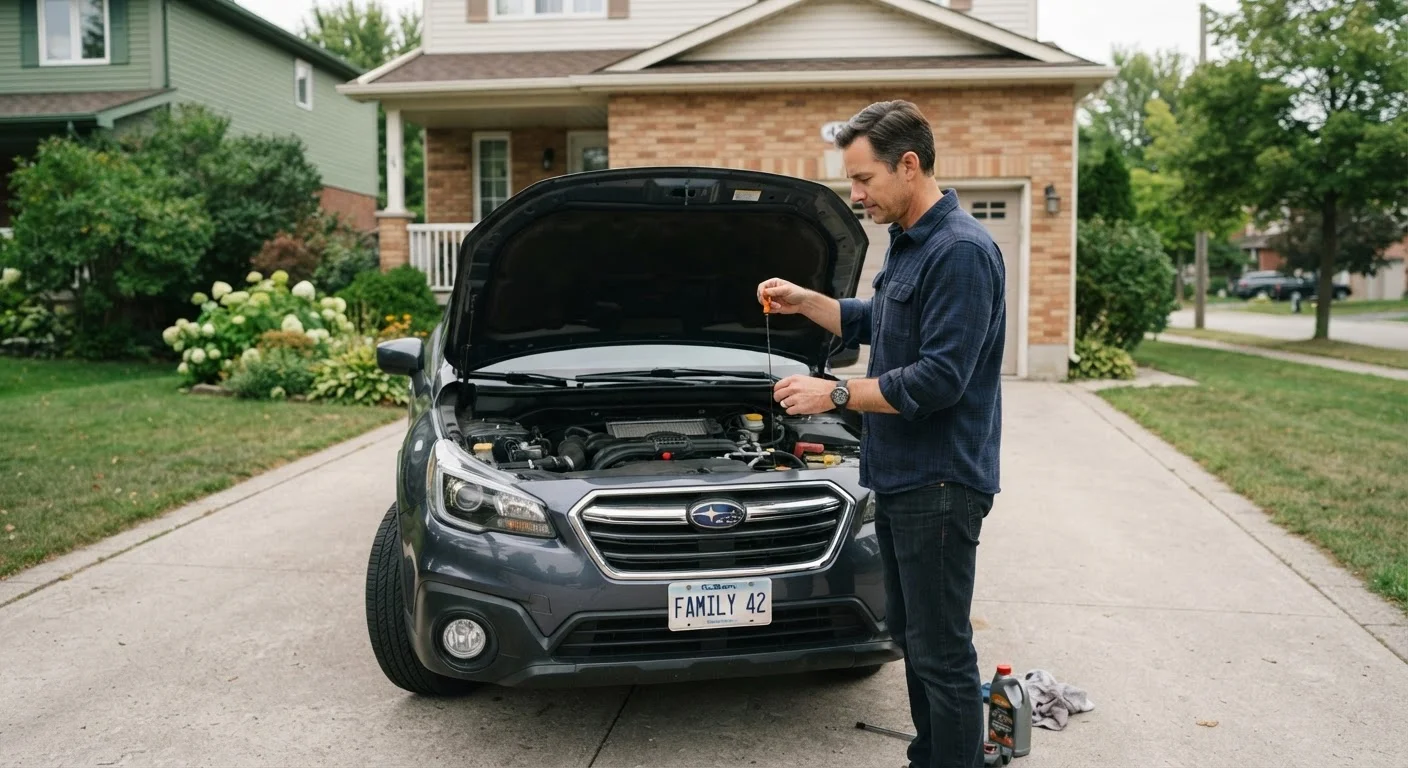
A gasoline engine reaches full operating temperature after roughly five to ten minutes of driving, depending on ambient temperature. Short trips that end before the engine warms up leave condensation inside the crankcase, where it mixes with oil and forms a sludge-like emulsion over time. This mixture does not lubricate as well as clean oil, and it accelerates wear on bearings and cylinder walls. Owners who rely on a vehicle almost exclusively for trips under three miles should shorten their oil change intervals to compensate.
Short trips that end before full warm-up allow condensation to contaminate engine oil.
Carrying unnecessary weight routinely
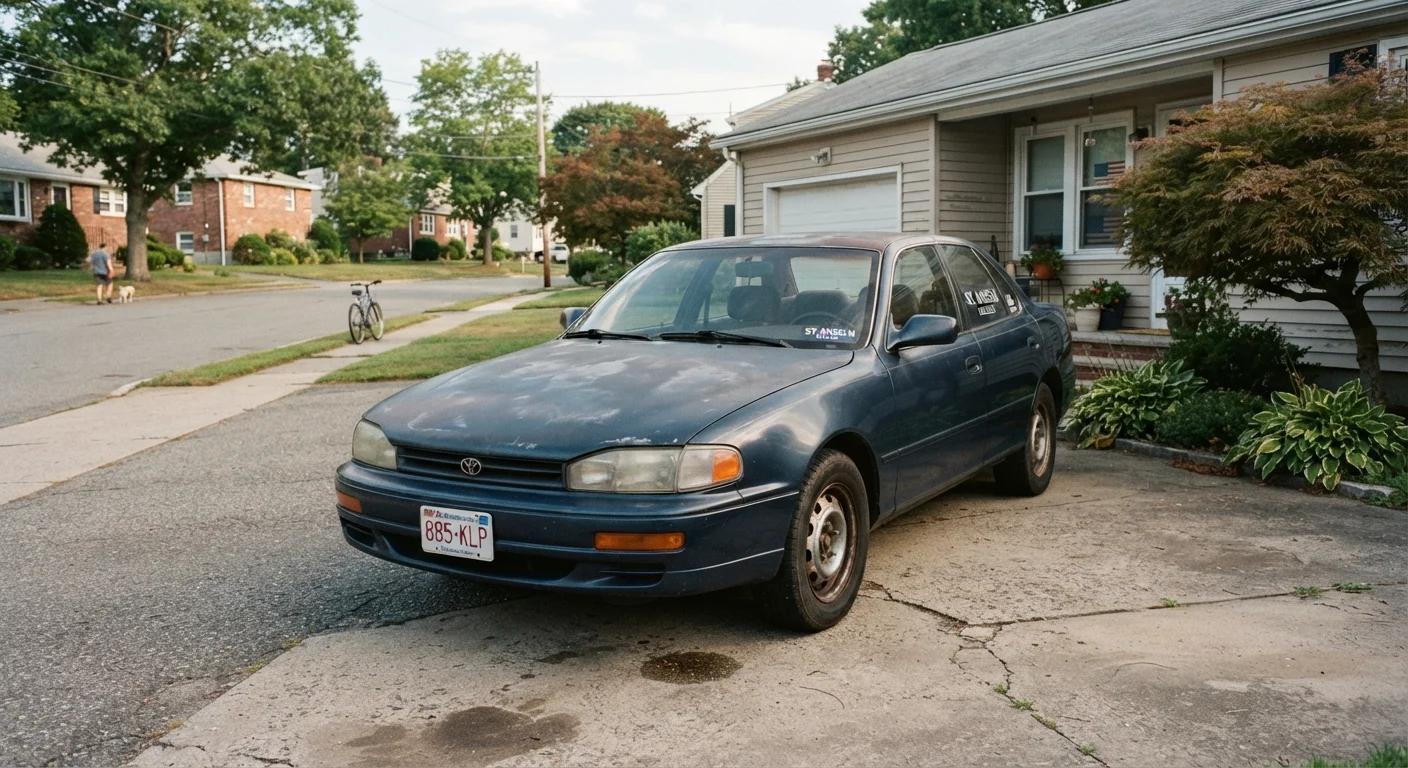
Every additional 100 pounds a vehicle carries increases rolling resistance, raises fuel consumption, and puts extra load on suspension bushings, shocks, struts, and brake components. Many families carry sports equipment, tools, or heavy cargo in the trunk year-round without noticing the effect. The vehicle's owner manual lists a maximum cargo and passenger weight rating; staying well within it, especially on older vehicles, extends the life of load-bearing components.
An extra 100 pounds strains suspension and brakes and measurably increases fuel consumption.
Ignoring early warning signs
A small squeal from the brakes, a slight vibration in the steering wheel at highway speed, or a faint knocking on cold starts are all signals that something has changed. These sounds rarely disappear on their own. A brake squeal from a wear indicator caught early means a pad replacement. The same symptom ignored for another few thousand miles often means resurfacing or replacing rotors as well. Addressing minor symptoms promptly is almost always less expensive than addressing the downstream failure they predict.
A brake squeal caught early typically costs a fraction of the repair needed after the symptom is ignored.
Riding the clutch on manual transmissions
Holding the clutch pedal partially depressed, either at a stoplight or while modulating speed on a hill, keeps the clutch disc spinning against the pressure plate at partial engagement. This generates heat and wears the friction material faster than full engagement or full disengagement. On steep grades, using the parking brake to hold position and then releasing it on engagement is easier on the clutch than feathering the pedal continuously. Clutch replacement on most vehicles runs several hundred dollars in labor alone.
Partial clutch engagement at stoplights generates heat and wears friction material significantly faster.
Running on low tire pressure
Underinflated tires flex more with each rotation, which generates heat inside the tire structure and wears the outer edges of the tread faster than the center. The relationship between tire pressure and rolling resistance also means that underinflation directly raises fuel costs. Tire pressure drops roughly one PSI for every 10-degree Fahrenheit drop in ambient temperature, so a tire that was correctly inflated in September may be meaningfully low by December without any puncture occurring. Checking pressure monthly and before long trips takes about two minutes and protects both the tire and fuel economy.
Tire pressure drops about one PSI for every 10-degree Fahrenheit temperature drop, so seasonal checks matter.
Check tire pressure when tires are cold
Tire pressure readings are most accurate when the tires have not been driven on for at least three hours. Heat from driving temporarily increases pressure and can make an underinflated tire appear correctly inflated. Always check against the vehicle placard value, which is found on the driver's door jamb, not the maximum pressure printed on the tire sidewall.
Putting it together
None of these habits require special equipment to fix. Smoother inputs, a few minutes of warm-up driving, and paying attention to what the car is telling you cover most of the ground. Families who own older or high-mileage vehicles stand to gain the most, since worn components have less tolerance for extra stress. The full trade-off picture for high-mileage ownership covers how accumulated wear affects total cost calculations. And if some of these habits sound familiar from common fuel-saving advice, several widely shared fuel economy beliefs are actually wrong and worth reviewing.