
Why grocery overspending is so hard to spot
Grocery spending rarely blows up in one dramatic purchase. It erodes in small, repeated patterns that feel entirely normal: grabbing a few extra items, skipping the list, stopping in when you're hungry. Over a month, those patterns often account for $100 or more in unplanned spending for a household that already has a food budget.
The habits below are the most common sources of that quiet drain. Each one is fixable without sacrificing the quality of what your family eats. For a broader look at where household money quietly disappears, see spending leaks most families miss.
Shopping without a list.
Why it happens: Many shoppers rely on memory or plan to 'figure it out' in the store, which feels efficient but leaves purchase decisions entirely up to in-the-moment judgment.
Shopping while hungry.
Why it happens: Hunger increases attention to high-calorie, convenient foods and reduces the mental effort people are willing to spend evaluating whether an item is needed.
Buying items only because they are on sale.
Why it happens: Discounts create a sense of urgency and a feeling that not buying equals losing money. This reasoning overrides the more relevant question: would you have purchased this at full price?
Ignoring per-unit price when comparing package sizes.
Why it happens: The larger package usually looks like the better deal, but packaging, promotions, and store brand pricing mean that is not always true. Most shoppers compare sticker price rather than price per ounce or per unit.
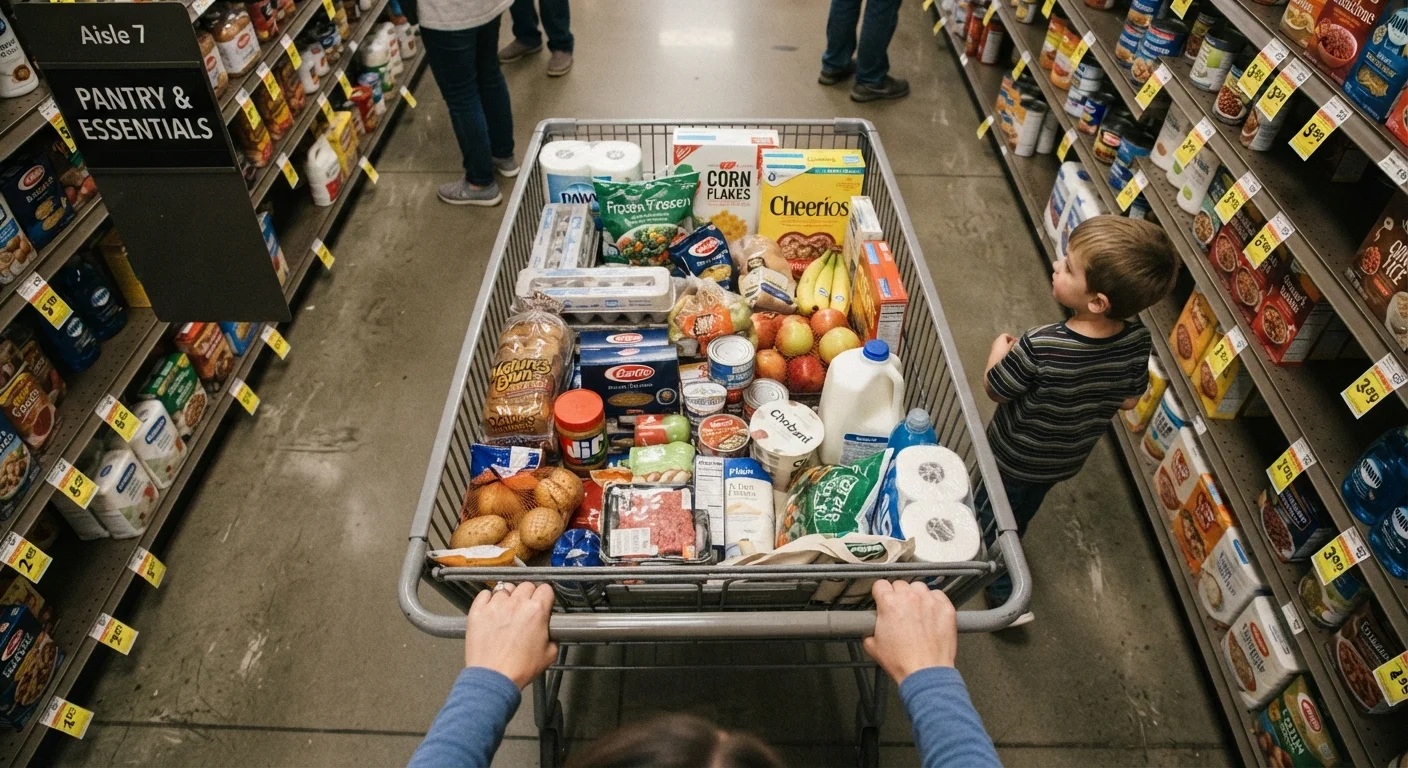
Shopping frequently in small trips instead of planned weekly or biweekly trips.
Why it happens: Running out of one item triggers a quick trip, and quick trips almost always include several unplanned purchases.
Buying more perishables than the household will realistically consume.
Why it happens: Fresh produce and proteins look appealing in the store, and buyers tend to be optimistic about how much they will cook. The result is food that spoils and gets discarded.
Practical ways to reset your grocery routine
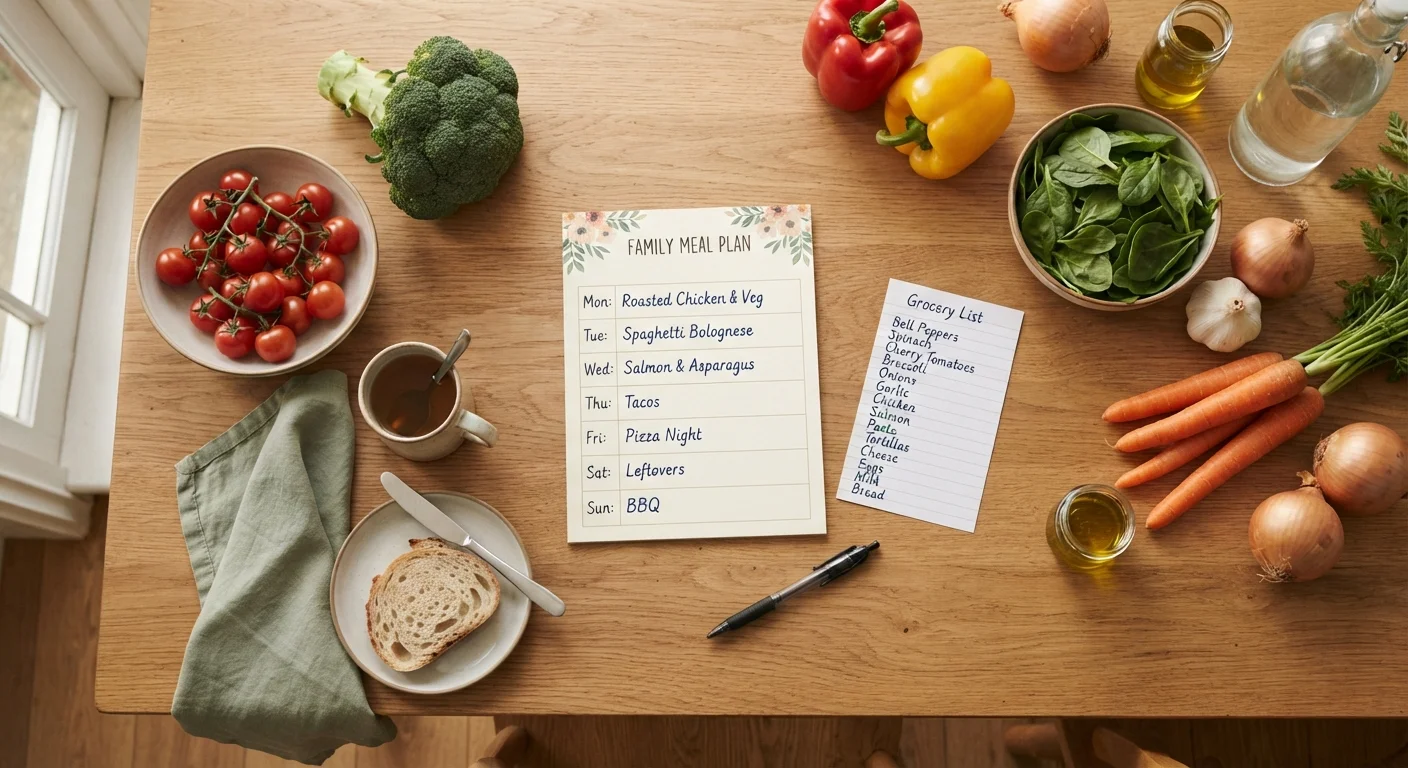
Most of these habits share one root cause: shopping reactively instead of deliberately. A written meal plan for the week is the single most reliable correction. It converts a vague list of needs into specific quantities, which shrinks both the cart total and the amount of food that spoils before anyone eats it. Structured weekly meal planning walks through exactly how to build that system.
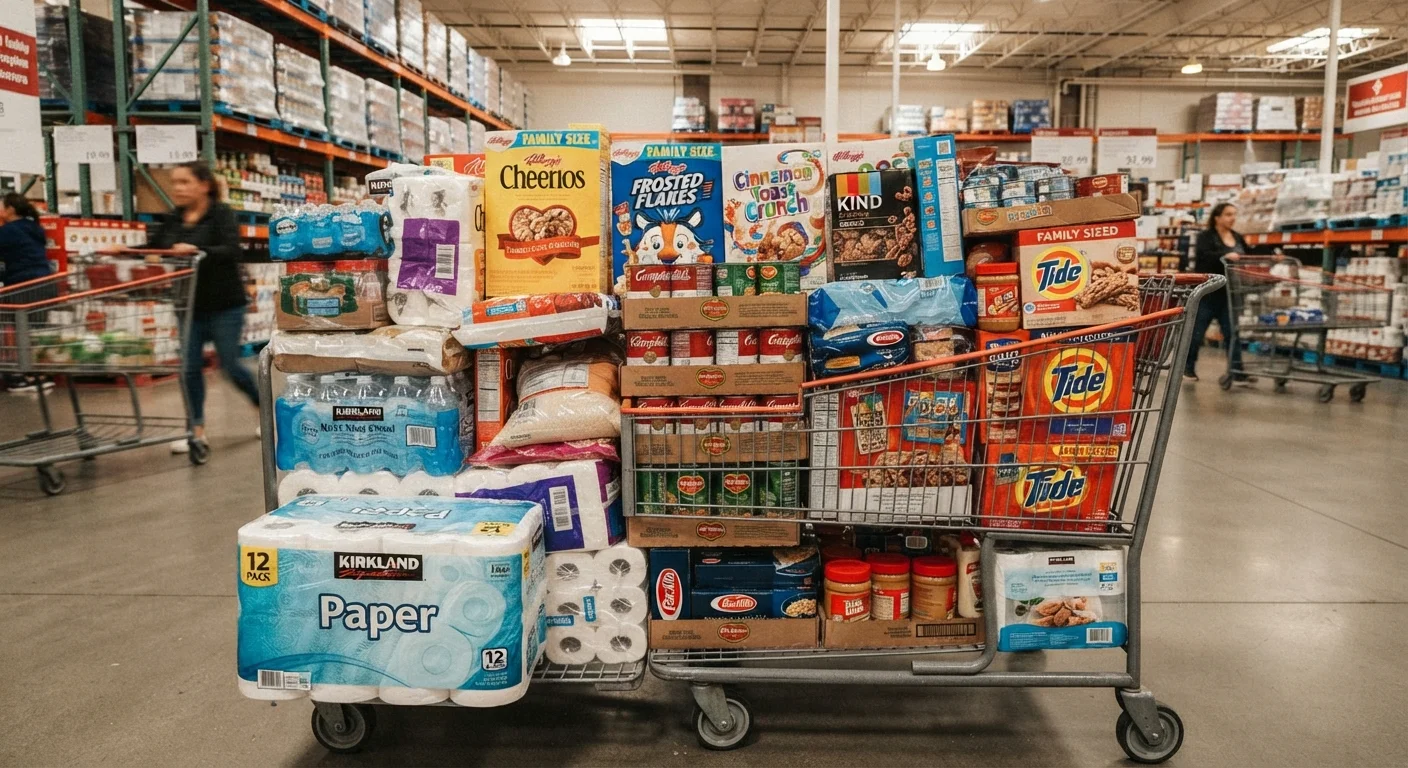
Bulk buying is worth examining separately, because the savings are real in the right conditions and nonexistent in the wrong ones. When bulk buying saves and when it costs more covers how to tell the difference before the item goes in your cart.
Coupons and store promotions deserve the same scrutiny. A discount on something you would not have bought is not savings; it is a redirected expense. Coupon culture myths separates the genuine deal-finding strategies from the habits that just feel like saving. And if food budget and nutrition are both concerns, eating healthy on a budget examines where the cost assumptions actually hold and where they don't.
Grocery spending fits inside a larger household budget picture. If your family has not yet built a structured monthly budget, building a monthly family budget step by step provides a clear process for doing that.