
Where the 'healthy food costs more' belief comes from
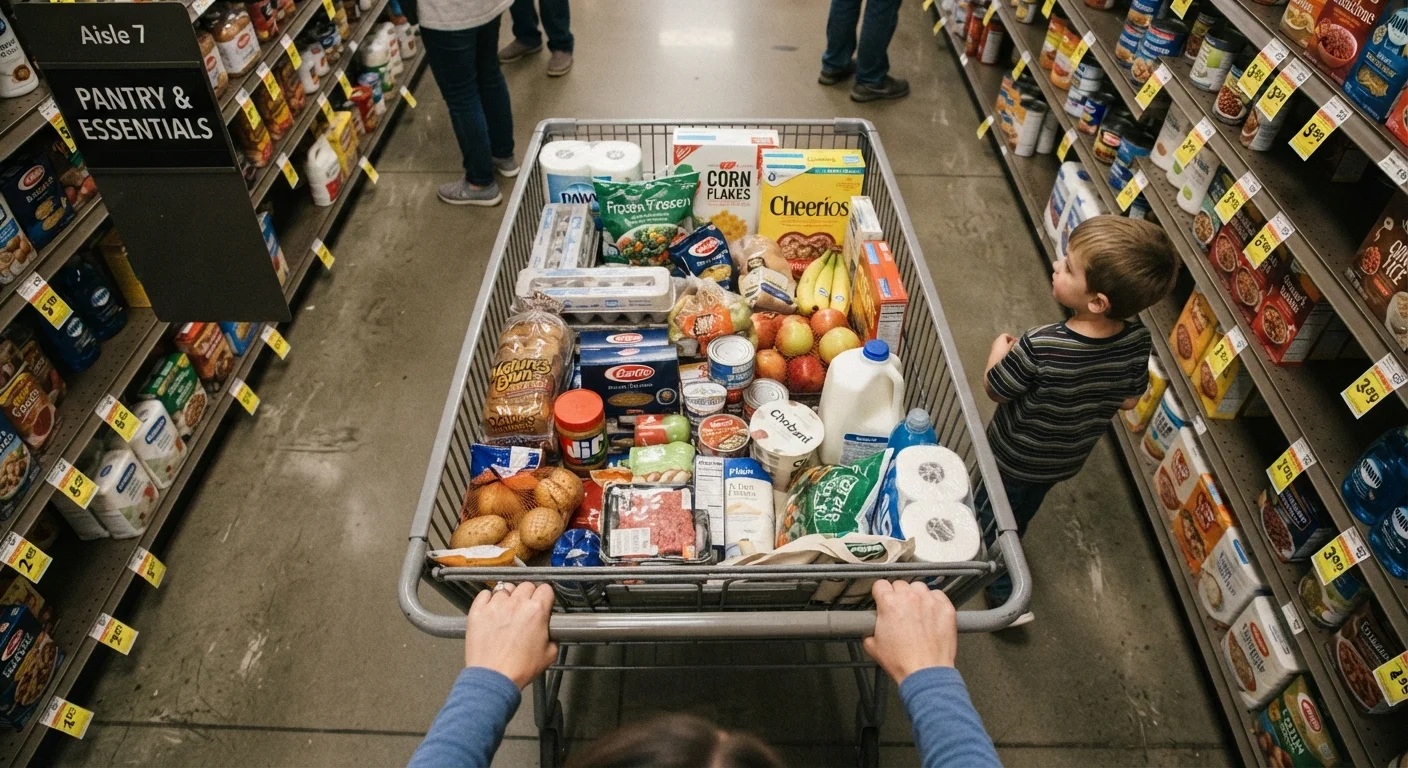
The belief is understandable. Walk down any grocery store aisle and a bag of chips is often cheaper by the package than a punnet of blueberries. Organic produce carries a visible price premium. Specialty health foods can be genuinely expensive. These observations are real, and they shape how millions of families think about their grocery budgets.
But the belief collapses when you measure cost differently. Research published in journals including the Journal of the Academy of Nutrition and Dietetics has shown that when food is measured by cost per serving or cost per calorie rather than cost per package, many whole foods compare favorably to processed options. A pound of dried lentils, for example, typically yields several servings at a fraction of the cost of a single fast-food meal. A canister of oats costs less per breakfast than most boxed cereals.
The framing of the question matters. Comparing the sticker price of a bag of salad greens to a bag of chips is not the same as comparing what each one delivers per serving or per nutritional unit.
Myth
Healthy food always costs more than processed food.
Fact
Per-serving cost comparisons show many whole foods, including beans, eggs, oats, and frozen vegetables, cost less than processed alternatives.
The comparison most people make is package price, not per-serving price. A box of processed crackers and a bag of dried chickpeas may sit close in price on the shelf, but the chickpeas yield far more servings. When researchers at the USDA's Economic Research Service measured food costs by portion, vegetables, grains, and legumes came out cheaper than most convenience snacks. The full cost picture also includes health outcomes over time, though that is harder to quantify at the checkout lane.
Myth
You need to buy organic to eat healthily.
Fact
Conventional fruits and vegetables provide genuine nutritional benefit, and choosing them over processed foods is what matters most for most families.
Organic produce carries a price premium that is real and documented. But nutrition science does not support the idea that conventional produce lacks value. The CDC and major dietary guidelines consistently point to total fruit and vegetable intake as the factor with the strongest evidence for health benefits, regardless of whether the produce is organic or conventional. For families on a tight budget, buying conventional produce and eating more of it is a well-supported approach.
Myth
Fast food is cheaper than cooking at home.
Fact
Cooking simple meals at home costs less per serving than fast food in the large majority of documented comparisons.
A 2013 analysis by the USDA found that home-cooked meals cost substantially less per serving than comparable restaurant or fast-food meals. That gap has widened as restaurant prices have risen. A pot of rice and beans with canned tomatoes costs a fraction of a fast-food meal for a family of four. The perception that fast food is cheaper often rests on comparing a single item price to a full home-cooked meal rather than comparing per-person serving costs.
Myth
Frozen and canned vegetables are nutritionally inferior to fresh.
Fact
Frozen vegetables are processed at peak ripeness and retain most of their nutritional content, often comparing well to fresh produce that has traveled long distances.
Fresh produce loses some nutrients during transport and storage. Freezing halts that process. Studies have found that frozen spinach, peas, broccoli, and other vegetables retain comparable levels of vitamins and minerals to their fresh counterparts, and in some cases higher levels than fresh produce stored for several days. Canned vegetables are also nutritious, though sodium content varies and low-sodium or no-added-salt options are worth seeking when available.
The barriers that are genuinely real
Acknowledging that some nutritious staples are affordable does not mean every family has equal access to them. Food deserts, defined as areas with limited access to supermarkets or grocery stores that stock fresh produce, are a documented problem across rural and urban communities in the United States. Families without reliable transportation may be limited to convenience stores where the selection is narrow and prices are higher.
Time is another legitimate constraint. Dried beans cost less than canned, but they require soaking and longer cooking. A parent working two jobs has fewer hours to spend in the kitchen. Cooking from scratch is affordable in theory, but affordability and accessibility are not the same thing. See grocery spending patterns that drain the family budget for a look at how buying habits interact with food costs.
Federal programs including SNAP (Supplemental Nutrition Assistance Program) and WIC (Special Supplemental Nutrition Program for Women, Infants, and Children) are specifically designed to help lower-income families afford nutritious food. Eligibility requirements and benefit amounts vary, so families who may qualify are encouraged to check with their state's benefits office or visit benefits.gov for current information.
Access barriers are not solved by budgeting alone
If a family lives in an area without a nearby full-service grocery store, advice about buying dried beans or frozen vegetables in bulk may not be practical. Transportation costs, store availability, and cooking equipment all affect what is genuinely accessible. Budget advice works best when it accounts for a family's actual circumstances, not an assumed ideal shopping environment.
Practical patterns that lower costs without lowering nutrition
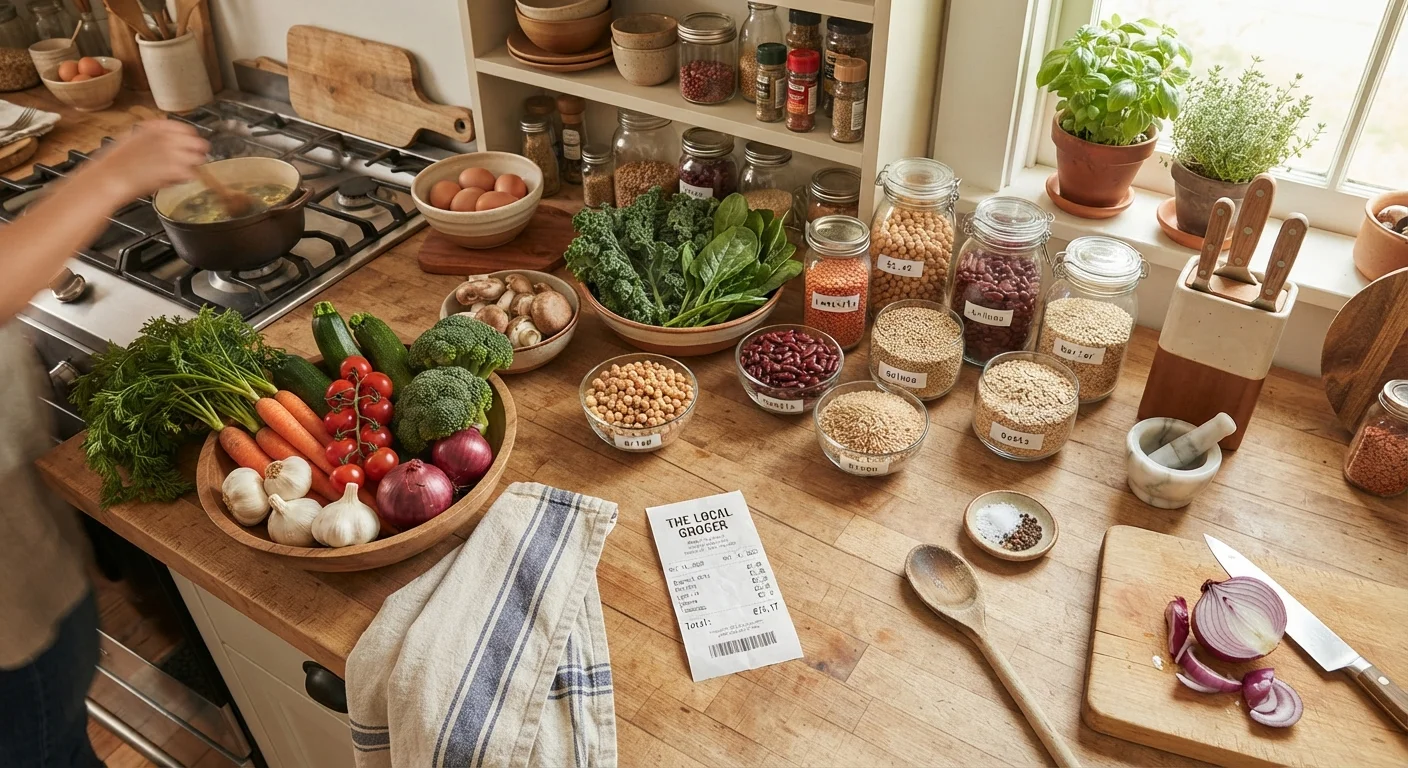
Families who want to shift toward more nutritious eating without raising their grocery bill often find the same categories of foods useful: dried legumes, canned fish, eggs, frozen vegetables, brown rice, oats, and in-season produce. These are not specialty health foods. They are ordinary grocery items available in most supermarkets and many discount grocery stores.
Buying store-brand canned or frozen vegetables rather than fresh out-of-season produce is one approach that does not compromise nutritional value. The CDC and nutrition researchers have noted that frozen vegetables are picked at peak ripeness and retain their nutrients well. Choosing frozen spinach or peas over fresh flown-in varieties in January is both cheaper and nutritionally sound.
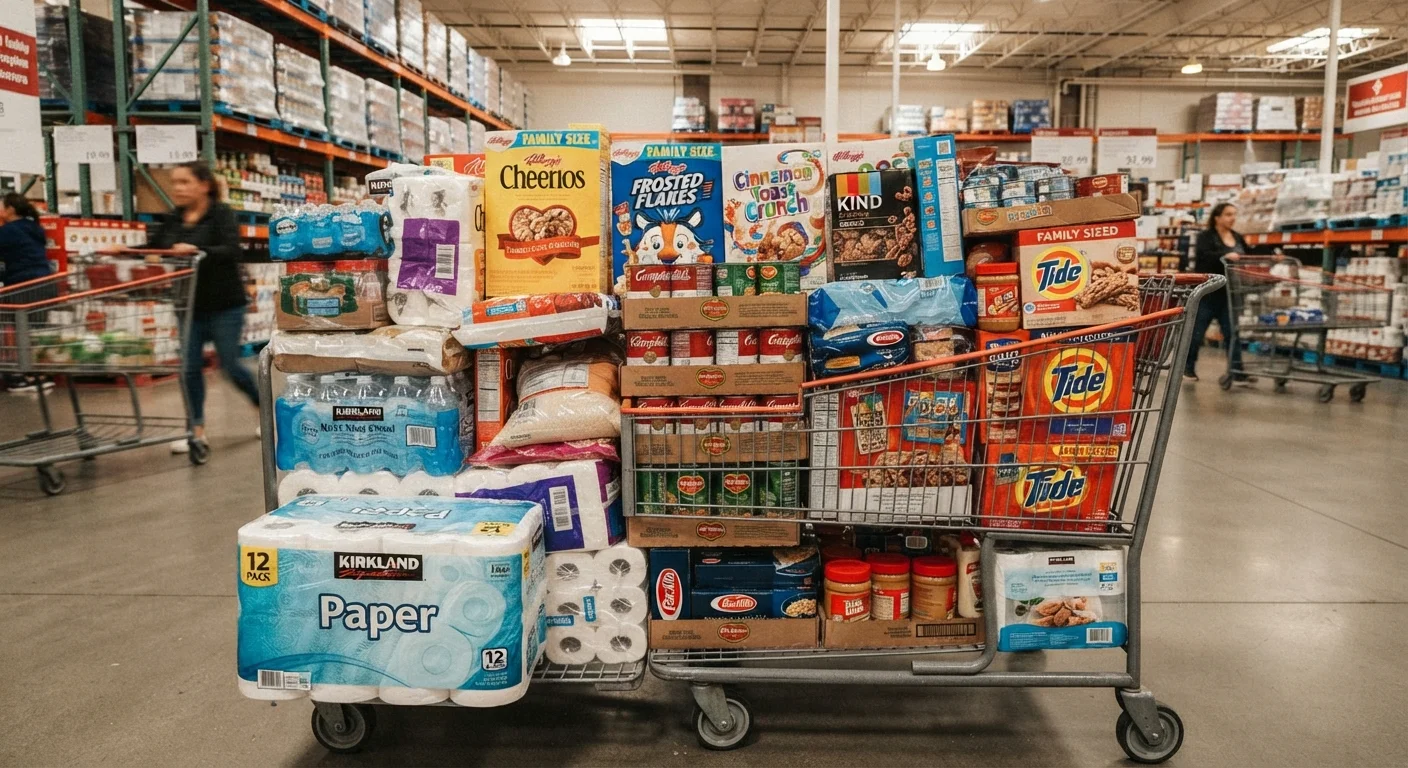
Planning meals around what is on sale that week, rather than selecting recipes first and shopping second, is another pattern that consistently reduces spending. Buying in bulk can stretch the budget further for shelf-stable staples like oats, rice, and dried beans, though it only saves money when the items are actually used before they expire.
The broader point is that healthy eating on a budget is possible, but it is not automatic, and it is not equally easy for every family. The evidence does not support the claim that nutritious food always costs more. It does support the claim that some families face real structural barriers that make the cheaper, more nutritious options harder to access and prepare.
This article is for general informational purposes only and does not constitute medical or financial advice. Consult a qualified healthcare professional or registered dietitian for guidance specific to your family's health needs.