
Why reactive care becomes the default
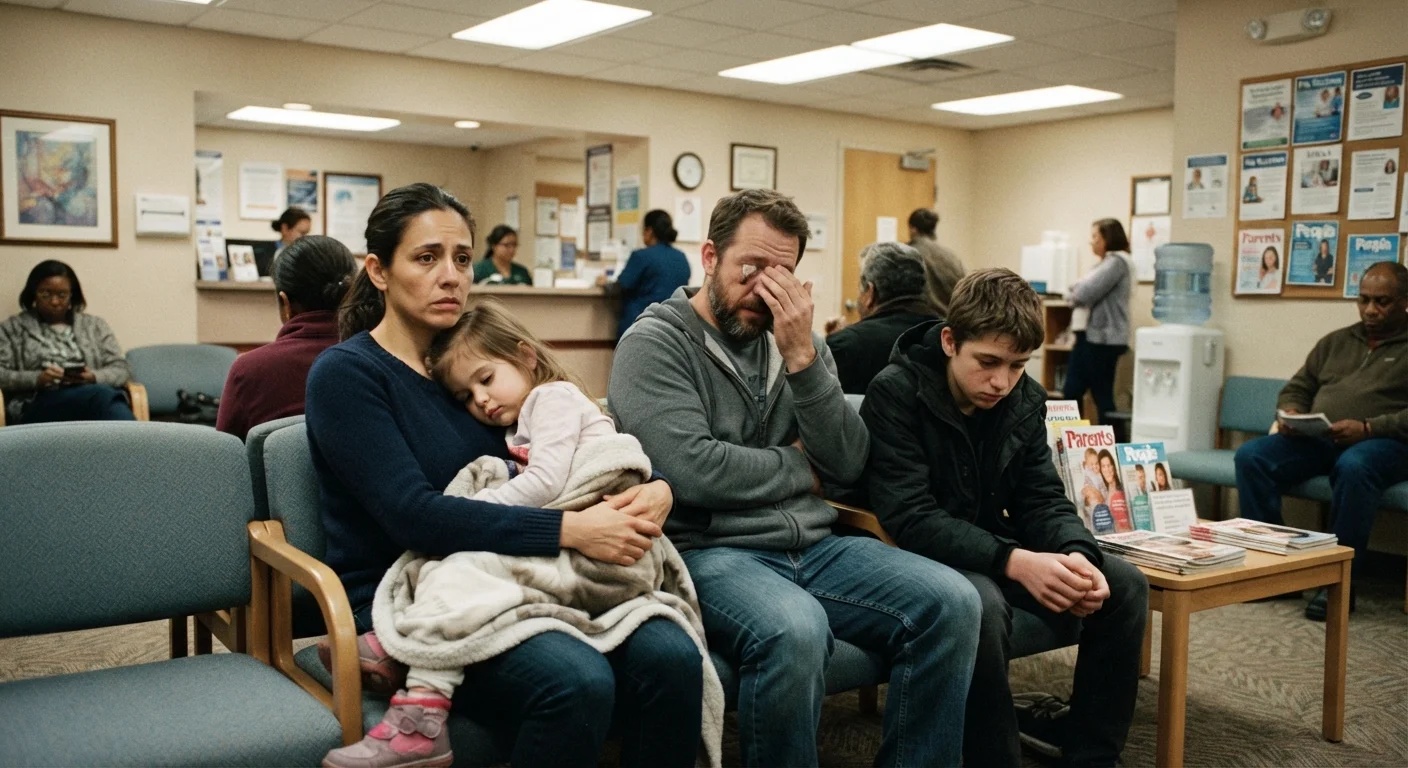
Most families do not choose reactive care deliberately. The pattern builds gradually. A wellness visit gets postponed because of work schedules. A low-income quarter means cutting what feels optional. A child gets sick, the parent rushes to the ER, and the cycle becomes familiar. Over time, the reactive path feels normal because it is the path the family has already worn down.
The financial logic seems sound in the short term: do not spend money on healthcare when no one is visibly sick. The problem is that this calculation ignores what happens when small issues become large ones. A dental infection treated early costs a fraction of what it costs once it spreads. Hypertension managed with a free screening and a low-cost generic medication is far cheaper to handle than the hospitalization that unmanaged hypertension can lead to.
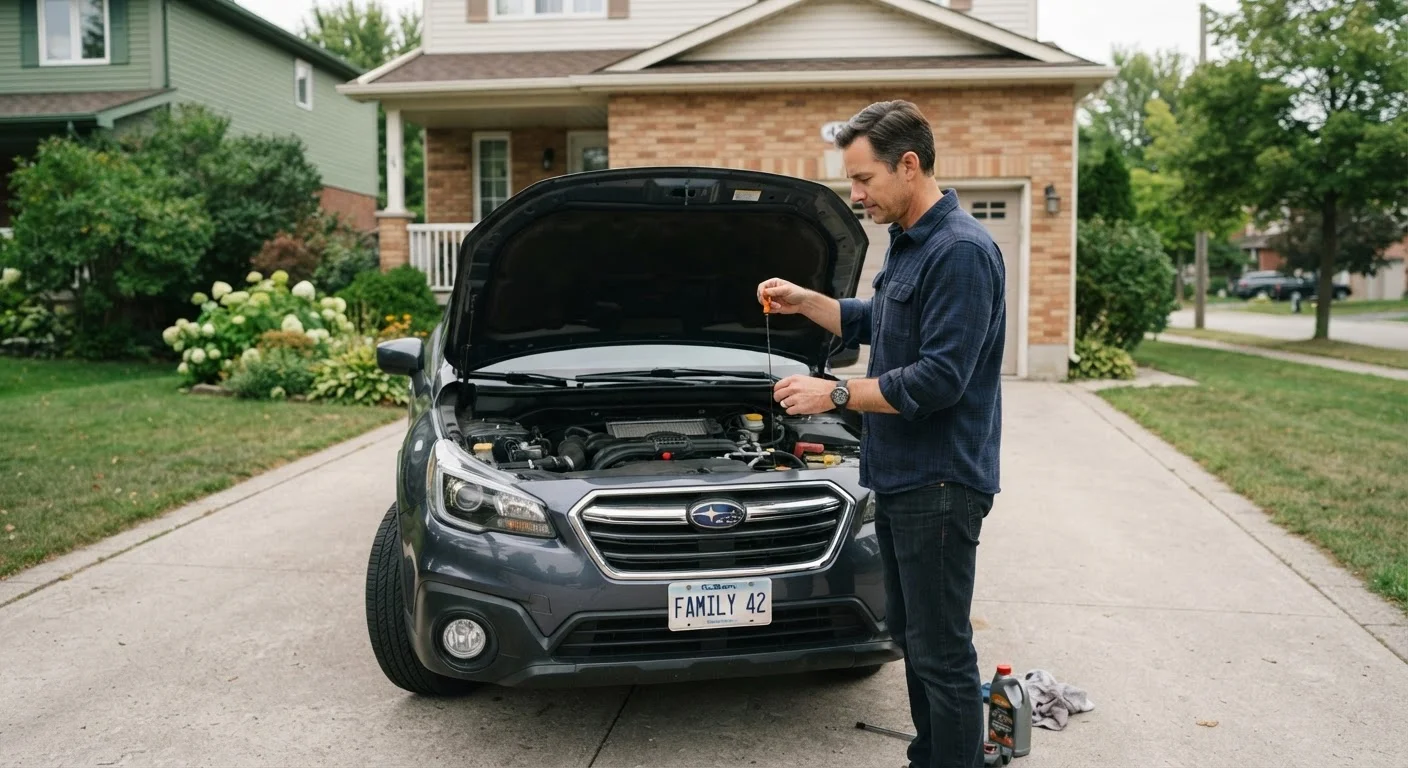
Families looking to reduce unplanned expenses in other areas, the way grocery habits shape monthly budgets, face the same kind of invisible cost accumulation in healthcare. Small neglected items compound quietly. The same principle applies to vehicle upkeep: routine car maintenance prevents costly repairs, and health is no different.
This is general health information, not medical advice
This article provides general education about healthcare habits and costs. It does not constitute medical advice, diagnosis, or treatment recommendations. Always consult a qualified healthcare professional before making decisions about your or your family's health care.
Common mistakes that lock families into the cycle
The following patterns appear repeatedly in households that face high unplanned medical costs. Each one is avoidable with modest changes to habits or information.
Skipping annual wellness visits because nothing feels wrong.
Why it happens: When the family budget is tight, a $0-copay preventive visit can still feel like lost time, especially if no one has obvious symptoms. Many families prioritize reactive visits when something is clearly wrong.
Using the emergency room as a default when a primary care visit would serve the same need.
Why it happens: Families without a regular doctor, or those who lose access between jobs, often turn to the ER because it cannot turn them away. The ER feels like a reliable fallback.
Stopping medication or treatment early because symptoms improve.
Why it happens: Once someone feels better, the cost and inconvenience of continued treatment can seem unnecessary, particularly with prescription copays or follow-up appointments adding up.
Ignoring mental health until a crisis point.
Why it happens: Mental health care carries a stigma in many communities, and cost is a genuine barrier. Families often delay counseling or therapy until the situation becomes unmanageable.
Overlooking preventive habits that reduce the frequency of illness.
Why it happens: Habits like consistent sleep, hand washing, and staying current on vaccinations do not feel like healthcare because they happen at home. Families focus on treatment over prevention because prevention is invisible when it works.
Delaying care can increase long-term costs
Skipping recommended screenings or waiting until symptoms become severe can lead to more complex and expensive treatment down the line. If someone in your household has symptoms that concern you, contact a healthcare provider rather than waiting it out. Emergency room visits for conditions that could have been caught earlier are among the highest out-of-pocket expenses families face.
Free and low-cost resources that change the equation
Preventive care does not have to mean large out-of-pocket spending. Several well-established programs and resources reduce the cost significantly.
- The Health Resources and Services Administration (HRSA) funds over 1,400 community health center sites nationwide. These operate on sliding-fee scales and serve patients regardless of insurance status.
- Medicaid and CHIP cover preventive services at no cost to enrollees, including well-child visits, vaccinations, and screenings. Eligibility is broader than many families assume; income thresholds vary by state.
- Local health departments provide free or reduced-cost immunizations and some screenings. Check your county health department's website for a current schedule.
- Employee Assistance Programs (EAPs), available through many employers at no extra cost, include short-term counseling and referrals to community services.
Sleep is another low-cost factor that reduces illness frequency in both adults and children. See how sleep habits affect family health for practical guidance that costs nothing to implement. Managing healthcare spending is also part of the broader picture of spending leaks that quietly reduce what families have available each month.
This article is for general informational and educational purposes only. It is not a substitute for professional medical advice, diagnosis, or treatment. Consult a qualified healthcare provider with questions about your family's specific health needs or before making changes to any current care plan.