
Why meal planning actually moves the needle on grocery costs
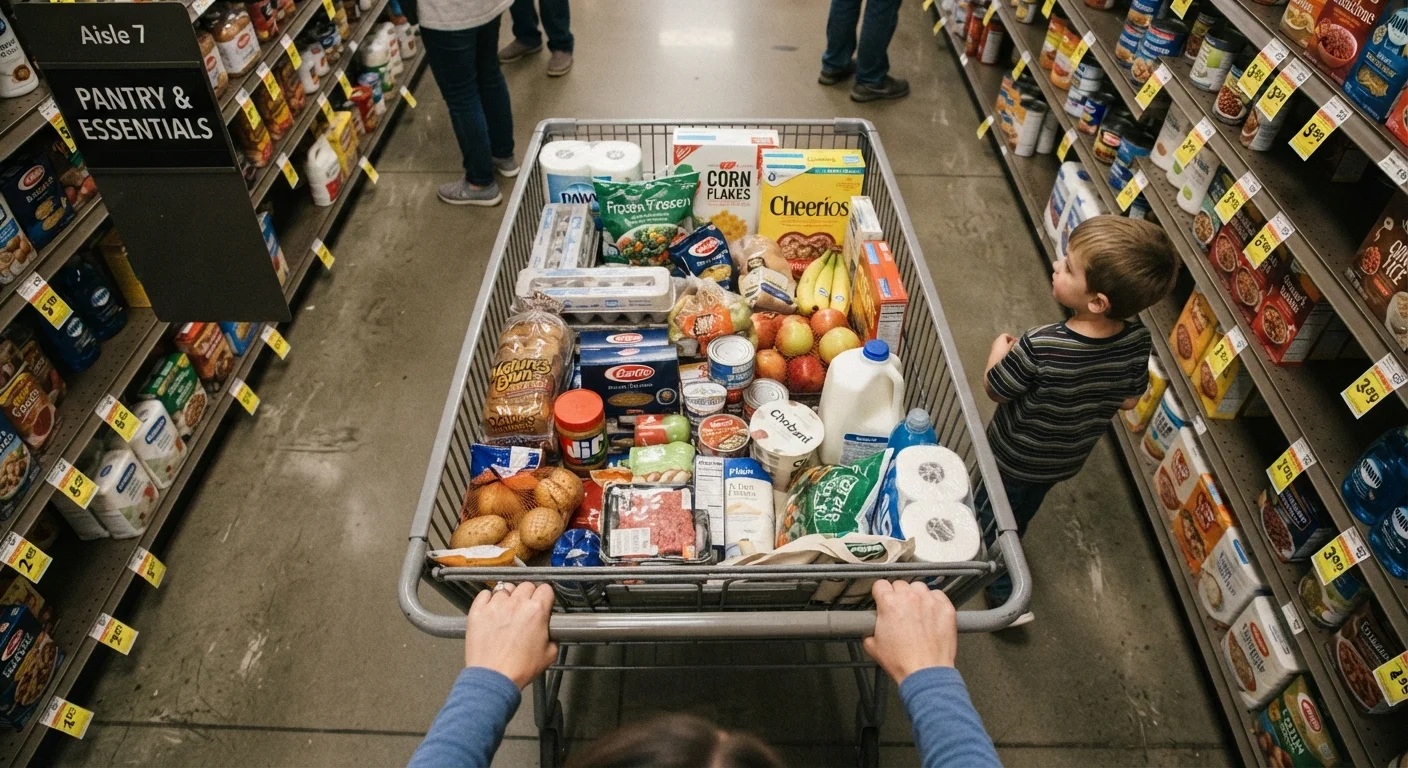
Food is one of the largest variable expenses in a family budget, and it is also one of the most controllable. The problem is that most families shop reactively: they walk the store without a clear plan, buy what looks good or feels urgent, and end up with a mix of ingredients that does not quite form a full week of meals. That pattern leads to extra trips, takeout to fill the gaps, and produce that spoils before anyone uses it.
Meal planning interrupts that cycle. When you decide what you will eat before you shop, you buy with purpose. You spend less time in the store, skip the items you do not actually need, and reduce the chance that $4 worth of spinach ends up in the trash on Thursday. Those small wins add up across a month.
This is not about cooking elaborate meals or following a strict system. It is about having a rough idea of what your family will eat each night so that your grocery list reflects reality. If food waste and unplanned spending are draining your budget, common grocery habits that cost more than expected offers useful context on where the money usually goes.
Start with what your family already eats
The easiest meal plans are built around dishes your household already makes regularly. You know the ingredients, you know the prep time, and the family will eat it. Novelty is fine once the habit is established, but familiarity is what makes the first few weeks feel manageable.
What you need before you start
Meal planning does not require special apps or elaborate systems. A pen and paper work fine. What you do need is a few minutes of uninterrupted time, a look at your schedule for the week, and a quick inventory of what is already in your fridge, freezer, and pantry.
Knowing what you have on hand is the step most people skip, and it is the one that saves the most money. Buying a second can of chickpeas when one is already in the cabinet is a small waste on its own, but multiplied across dozens of items over the course of a month, it adds up. The inventory step forces you to use what you already paid for.
What you will need
How to build your weekly meal plan
Check your inventory
Before writing a single meal idea, open the fridge, freezer, and pantry and make a note of what is already there. Pay particular attention to items that are close to expiring or that have been sitting unused for a while. Proteins in the freezer, canned goods, dried pasta, and rice should all factor into what you plan to cook. Using what you already have is the fastest way to lower this week's grocery total.
Look at your week's schedule
Not every night has the same amount of cooking time available. A night with a late soccer practice calls for something that takes 20 minutes, not 90. Match the complexity of each meal to the realistic time and energy you will have on that specific day. Overplanning ambitious meals on busy nights is one of the main reasons families abandon the plan mid-week and order takeout instead.
Write out dinners for five to six nights
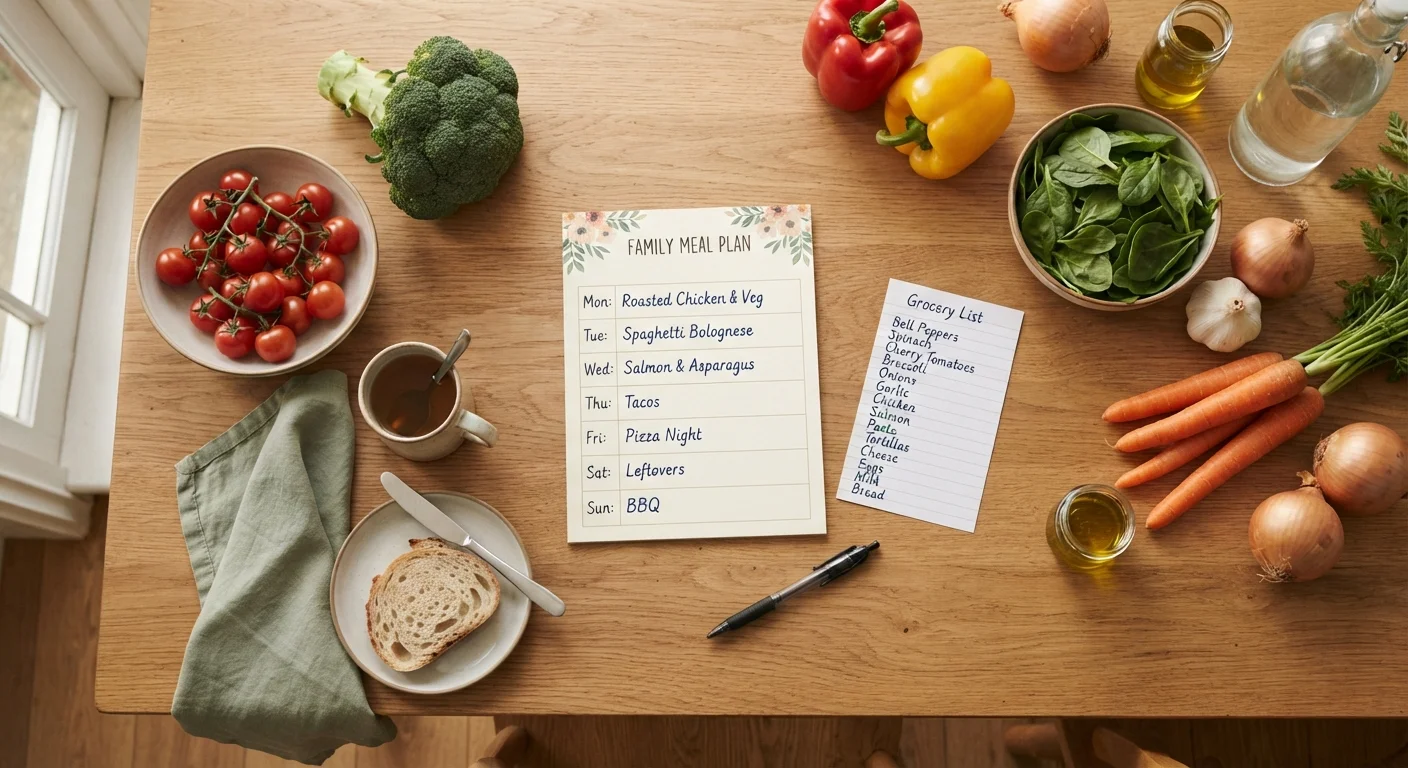
You do not need to plan every meal for every day. Start with dinners, since that is where most families spend the most and waste the most. Aim for five to six nights and leave one night open for leftovers or a simple fallback. As you write each dinner, note which ingredients you already have and which you need to buy. This becomes the foundation of your shopping list.
Build your grocery list from the plan
Go through each planned meal and write down only the ingredients you need that are not already in the house. Organize the list by store section (produce, dairy, meat, dry goods) so you move through the store efficiently and are less likely to wander into aisles that are not on the list. A focused list in hand is what separates a planned shopping trip from a reactive one.
Review after the week and adjust
At the end of the week, spend two or three minutes noting what worked and what did not. Which meals did the family enjoy? Which nights did the plan fall apart and why? Did any ingredient go to waste? Those answers improve next week's plan. The goal is a system that fits your family's actual patterns, not an idealized version of them.
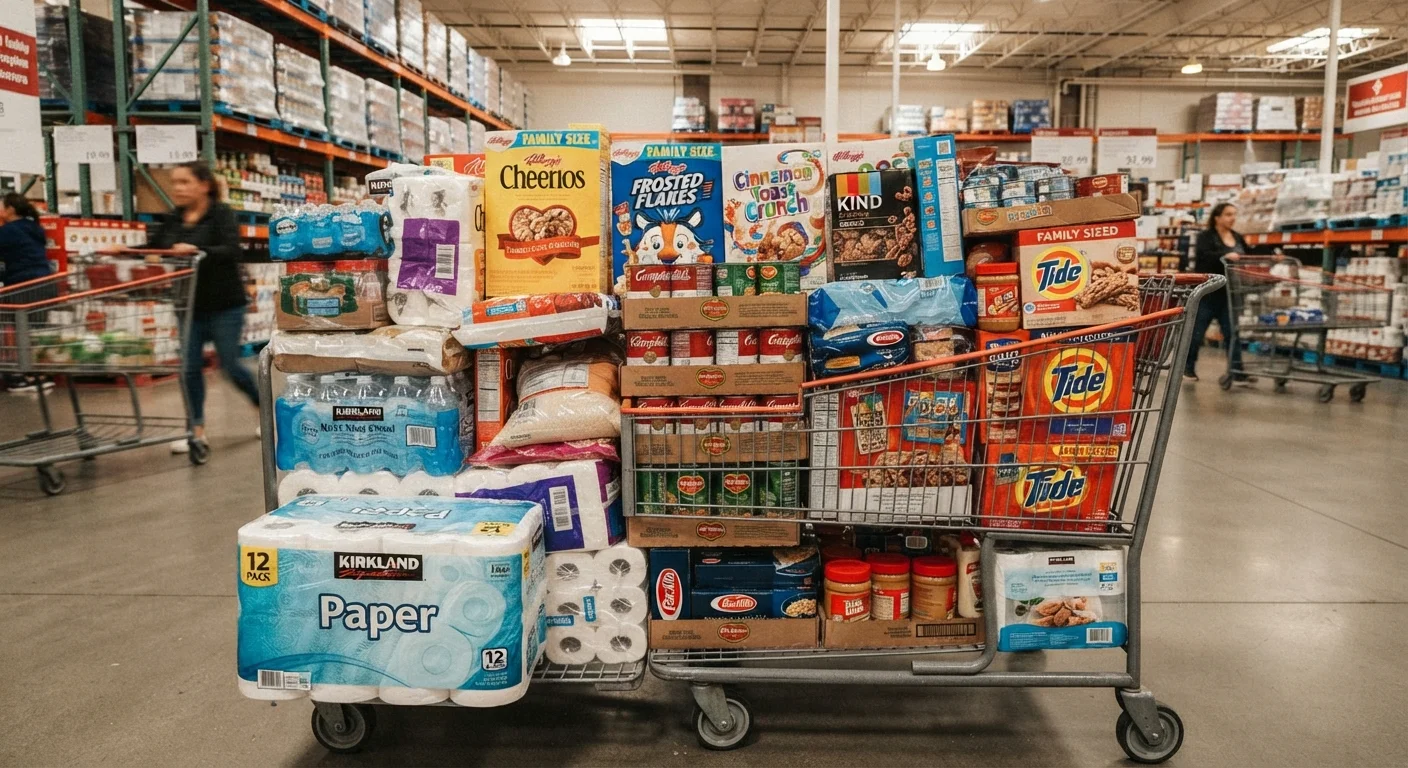
Once the plan is in place, build your grocery list directly from it. Write down only what you need to complete each meal that is not already in the house. That list is your only guide at the store. Sticking to it is how the savings become real. If bulk buying certain staples fits your storage situation, the approach described in buying in bulk without overspending can extend the value of your plan further.
Making the habit stick without burning out
Meal planning fails for most families not because the idea is flawed but because the routine becomes too rigid. If you plan seven dinners and cook five, that is still a win. Build in one or two nights that are intentionally flexible: leftovers, a simple pantry meal, or a night where whoever is home figures it out. That flexibility reduces the pressure that causes people to abandon the habit entirely.
Planning the same day each week helps. Sunday afternoon works for many families because it falls before the week's schedule gets chaotic. Ten to fifteen minutes is enough once you have done it a few times and have a mental library of meals your family likes.
Meal planning also connects naturally to the broader goal of controlling household spending. If you are building or refining a full family budget, a step-by-step monthly budget walkthrough can help you see how grocery savings fit into the larger picture. The Smart Family Savings hub also has practical guidance across other everyday expenses.