
What a typical month actually costs
The average American household spent roughly $3,639 on food away from home in 2022, according to the U.S. Bureau of Labor Statistics Consumer Expenditure Survey. That works out to about $303 per month. For a family of four that orders takeout three times a week, the math is often worse than that figure suggests, because family orders tend to run larger than the household average.
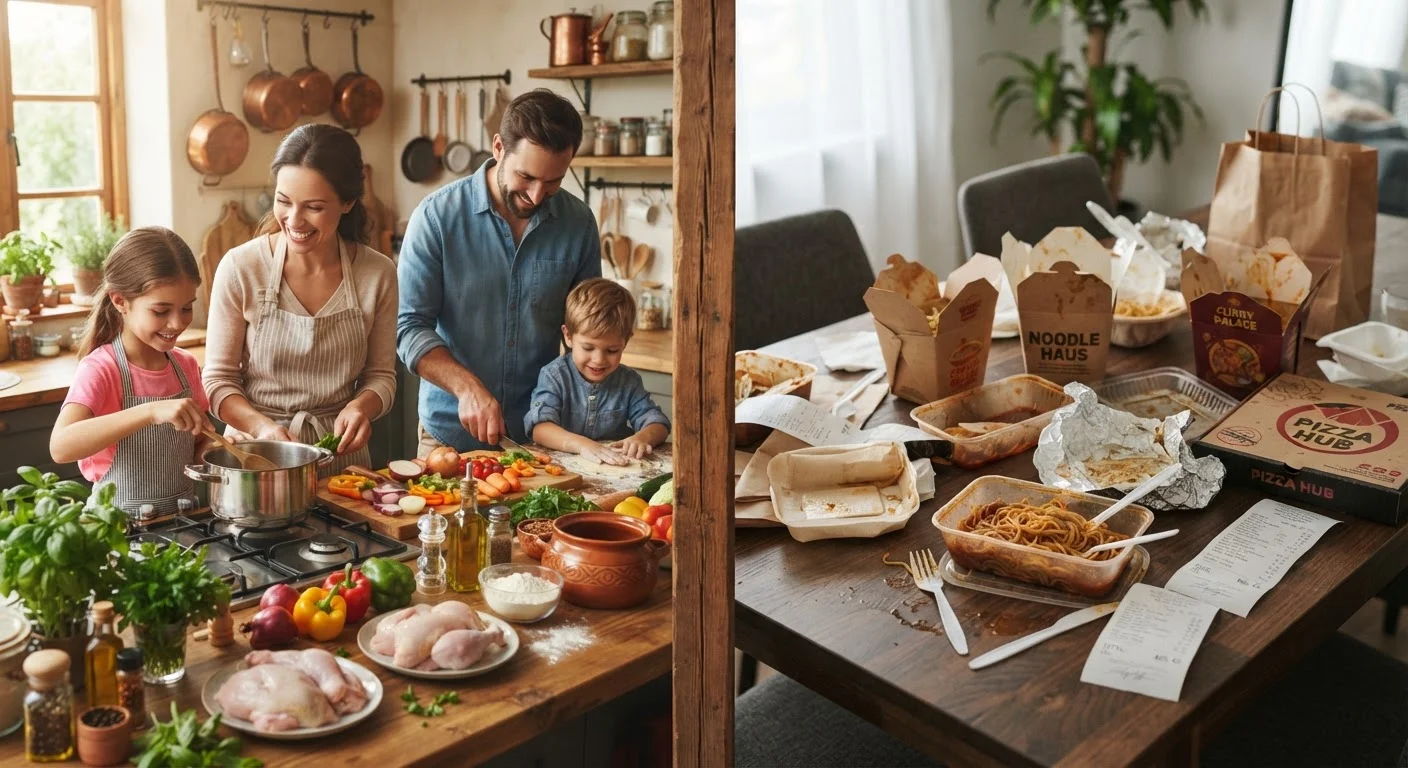
A realistic takeout dinner for four people at a fast-casual or sit-down restaurant, including drinks and a tip, lands somewhere between $60 and $90. Three orders a week puts that family at $720 to $1,080 per month on takeout alone. Even at the low end, that is a significant line item in any household budget.
Compare that to a home-cooked dinner. The USDA's official food plans estimate that a family of four on a moderate-cost plan spends roughly $250 to $300 per week on all groceries, covering breakfast, lunch, dinner, and snacks. Dinner specifically tends to account for 35 to 40 percent of that total, which puts a typical home-cooked dinner at roughly $8 to $14 per meal for the whole family. Three home-cooked dinners that would have otherwise been takeout nights could cost $75 to $125 instead of $180 to $270 for the same three meals ordered out.
Over a full month, that difference is $400 or more. Over a year, it can exceed $5,000. See our step-by-step budget walkthrough to put numbers like these into a broader spending plan.
| Home cooking | Takeout (app delivery) | Takeout (pickup/direct) | |
|---|---|---|---|
| Avg. dinner cost for 4 | $10 to $14 | $65 to $95 after fees | $55 to $80 |
| Monthly cost (3x/week) | $120 to $170 | $780 to $1,140 | $660 to $960 |
| Active time per meal | 30 to 60 min cooking | 30 to 60 min waiting | 15 to 45 min waiting |
| Planning required | Moderate to high | Low | Low to moderate |
| Food waste risk | Moderate (unused ingredients) | Low | Low |
| Portion control | High | Low (large portions common) | Low to moderate |
| Nutrition flexibility | Full control | Limited by menu | Limited by menu |
The hidden costs on both sides
Neither option is as simple as its sticker price. Home cooking has real costs that often get overlooked: food that spoils before it gets used, pantry staples that go half-empty, and the occasional meal that doesn't work out and gets thrown away. The USDA has estimated that American households waste between 30 and 40 percent of the food supply, and some of that waste originates at home. If a family buys ingredients for four meals and uses them for three, the effective cost per meal rises.
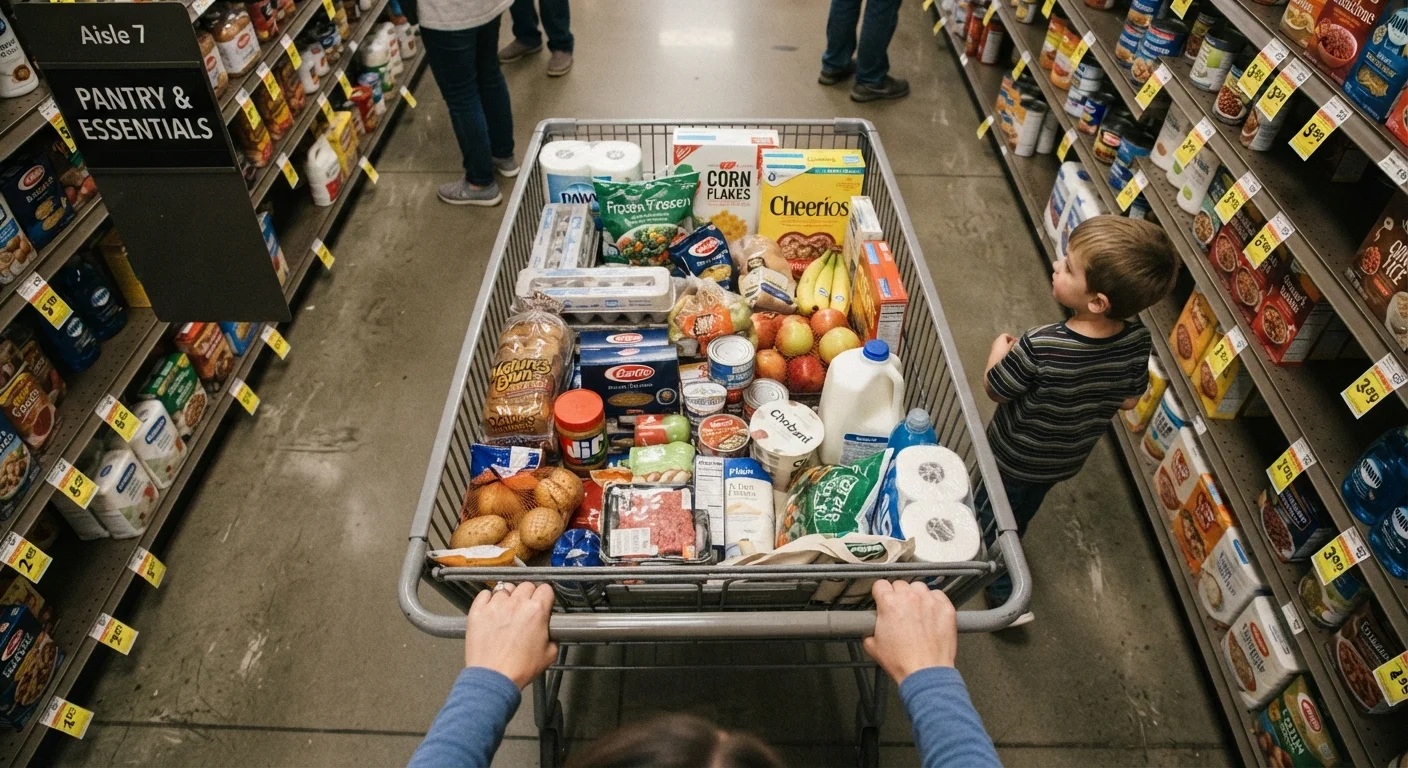
Grocery shopping habits also affect the home cooking column significantly. Impulse purchases, buying pre-cut or pre-marinated items for convenience, and shopping without a list can quietly push grocery bills higher than they need to be. Our article on grocery spending habits that drain the budget covers these patterns in detail.
Takeout has its own hidden costs. Delivery fees, service charges, and tipping on app-based orders often add 25 to 35 percent to the base menu price. A $50 order can easily become $70 by the time it arrives at the door. Convenience stores or grocery pickup add-ons purchased alongside takeout nights also inflate the total. Families who order through third-party apps rather than directly from restaurants tend to pay more per order.
Time as a real factor
One reason families default to takeout is time, and that is a fair consideration. A weeknight dinner that takes 45 minutes to cook, plus 15 minutes of cleanup, is a genuine investment after a full workday. Takeout removes that task, which has real value.
However, the time cost of takeout is not zero. Choosing a restaurant, placing an order, waiting, and sometimes picking up the food takes time too, often 30 to 60 minutes depending on the method. Delivery orders require someone to be home and available.
Batch cooking and meal planning shift the math. A family that spends two hours on a Sunday preparing proteins, grains, and vegetables for the week can assemble weeknight dinners in 15 to 20 minutes. That is faster than most takeout options and cuts per-meal cost sharply. The upfront time investment is real, but it is concentrated rather than distributed across five stressful evenings.
Start with your two most common takeout nights
Replacing every takeout meal at once is hard to sustain. Pick the two nights your family orders most often and build a simple, quick home-cooking option for those nights specifically. A rotisserie chicken, pre-washed salad, and a bag of rice can come together in under 20 minutes and costs a fraction of a comparable delivery order. Once those two nights feel routine, adding a third is much easier.
How to find your actual number
Estimates are useful, but a family's real spending pattern is the only number that matters for their budget. A two-week tracking exercise, writing down every food purchase including groceries, delivery fees, and restaurant visits, usually produces a clearer picture than any national average.
Once that data exists, families can identify which takeout nights are genuinely necessary and which are happening out of habit or poor planning. Some weeks, takeout on Wednesday is the right call. The question is whether it is a deliberate choice or a default one.
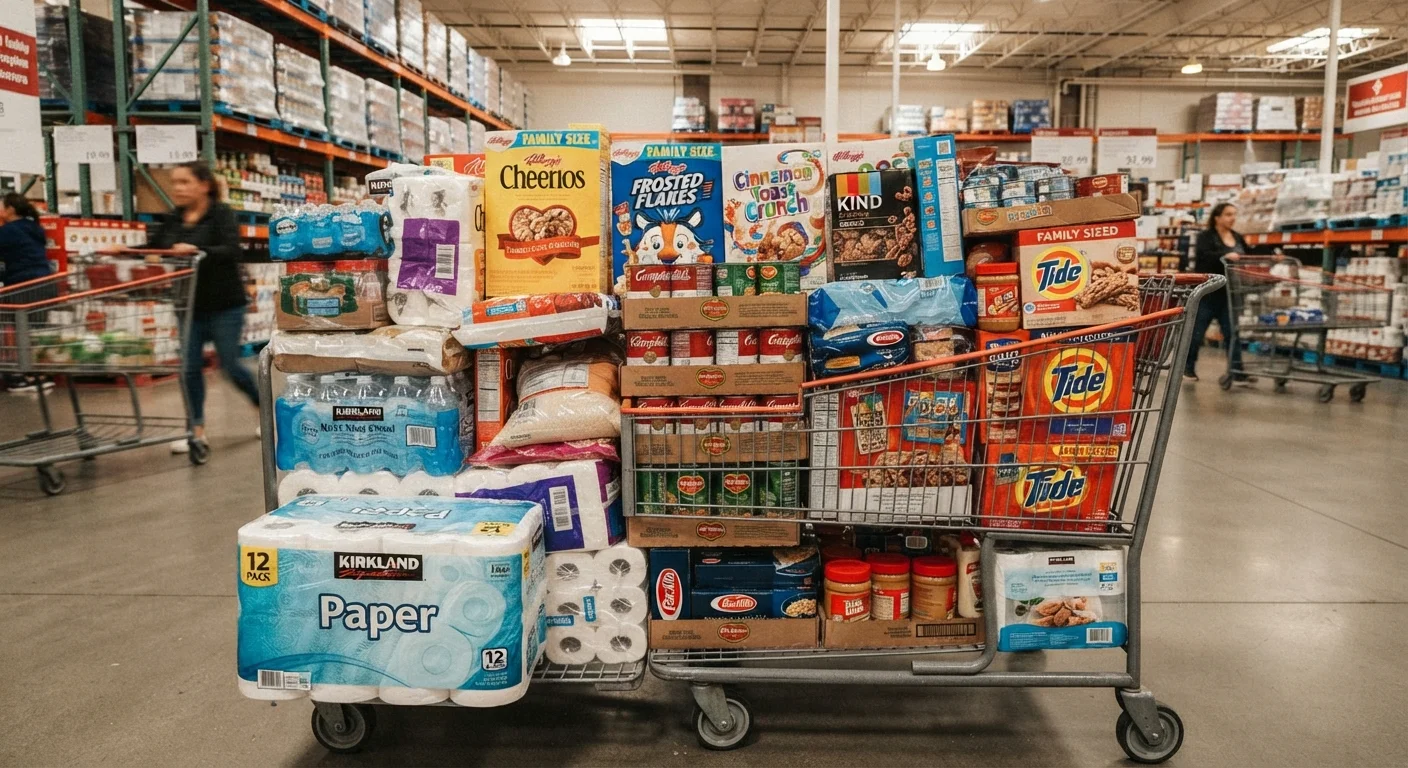
Families who also buy in bulk for pantry staples can lower their effective grocery cost per meal further. Our piece on buying in bulk explains when that strategy helps and when it backfires. Similarly, couponing strategies can trim the grocery side of the ledger for families willing to plan ahead.
The monthly food budget doesn't exist in isolation either. Families tracking overall spending across categories like transportation, subscriptions, and entertainment, as in our look at streaming vs. cable costs, often find that food is where the biggest unexamined spending lives.