
Where the confusion comes from
People use 'frugal' and 'cheap' interchangeably in everyday conversation, and that slippage causes real confusion. Both describe someone who pays close attention to what they spend, but the motivations and outcomes are quite different. The mix-up matters because a family trying to build better financial habits can accidentally model the wrong behavior if they aim at the wrong target.
Part of the confusion comes from surface-level similarities. Both a frugal person and a cheap person might clip coupons, skip expensive restaurants, or buy used goods. What separates them is the reasoning behind those choices and how those choices affect everyone involved.
Smart family savings strategies depend on understanding this distinction, because some cost-cutting moves that look frugal actually belong in the 'cheap' column.
What frugality actually looks like
Frugality is spending with a purpose. A frugal family decides in advance what matters to them and directs money toward those things while cutting spending in areas that do not matter. The focus is on value, not on the lowest possible price tag.
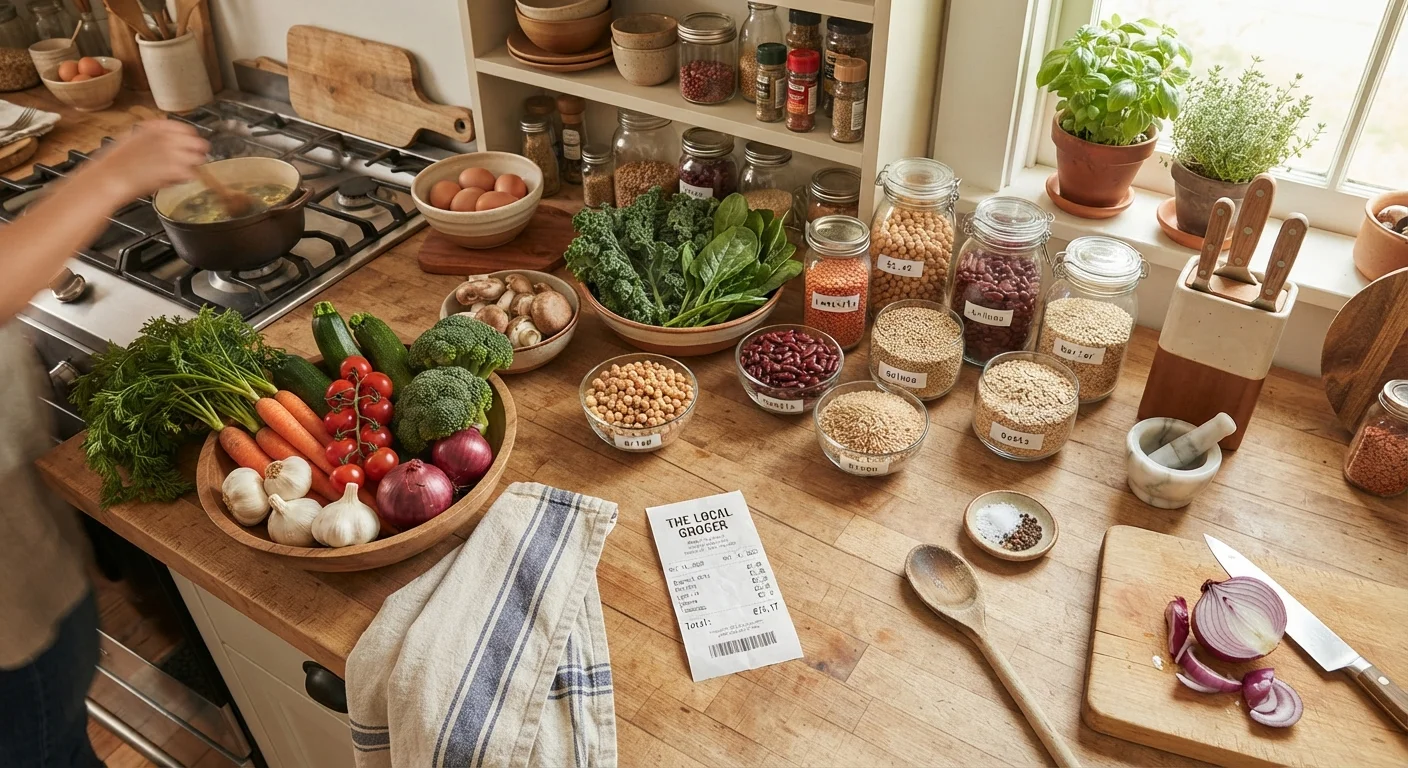
A few concrete patterns show up consistently in frugal households. They buy quality items that last longer, even if the upfront cost is higher. They plan meals to reduce food waste. They fix things before replacing them. They look for ways to get the same outcome for less money, but they do not sacrifice the outcome itself.
Frugality also includes knowing when spending more is the smarter move. A slightly pricier pair of work boots that lasts five years costs less per year than a cheap pair replaced annually. That calculation is at the center of frugal thinking. See how this plays out in grocery decisions in our article on grocery spending habits that quietly drain the family budget.
A simple frugality check before you buy
Before any non-routine purchase, ask whether the item or service moves your household toward a real goal. If you cannot name the goal, the decision may be driven by habit or impulse rather than frugal thinking. This single question filters out a significant share of spending that looks careful but is not.
What cheapness actually looks like
Cheapness is spending avoidance as a near-automatic response. A cheap person's primary goal is to pay as little as possible, regardless of whether that serves a broader purpose or affects other people negatively.
Cheapness shows up in predictable ways: always choosing the absolute lowest-cost option without regard for quality or longevity, consistently letting others cover shared expenses, tipping poorly or not at all at restaurants, or refusing to pay a reasonable price for a professional service and then dealing with a bigger problem later when the cut-rate version fails.
The downstream costs of cheap decisions are often invisible at the moment of purchase. A family that skips routine car maintenance to save a small amount of money now can face a large repair bill later. The same logic applies to home upkeep, medical checkups, and food choices. Eating nutritious food on a budget is genuinely possible, but only when 'cheap' is not the only lens applied.
The practical line between the two
A useful test is to ask two questions about any spending decision. First: does this choice serve a real goal for my family? Second: does this choice transfer a cost or burden to someone else?
If the answer to the first question is yes, the decision is likely frugal. If the answer to the second question is also yes, it has crossed into cheapness territory. Frugality tends to be self-contained. Cheapness tends to push costs outward.
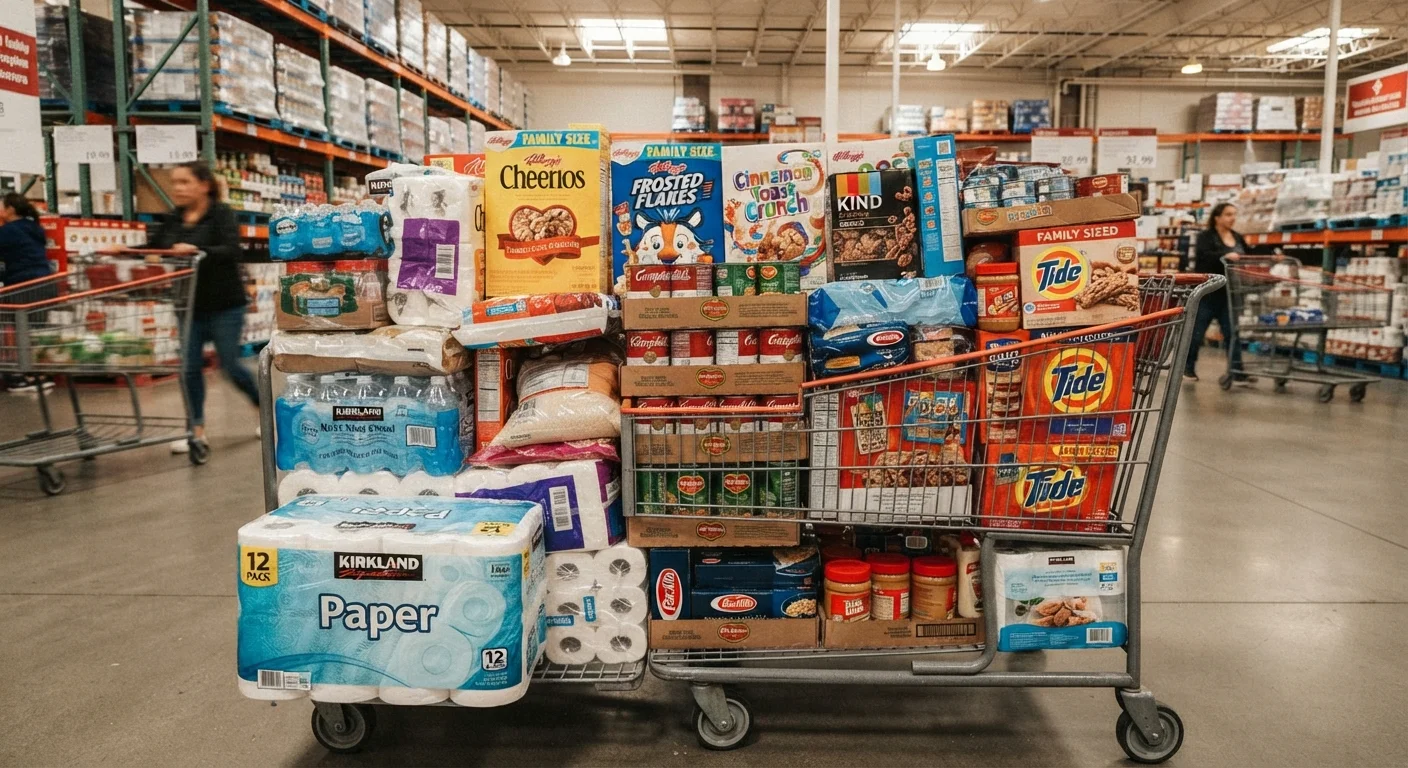
For example, buying in bulk is frugal when a family actually uses what they buy before it expires. It becomes a wasteful cheap move when bulk purchases spoil because no real plan existed behind the purchase. The difference is planning versus reflexive cost avoidance.
This article is for general informational purposes only and does not constitute financial advice. Consult a qualified financial professional for guidance specific to your household situation.