
How R-value actually works
Heat moves through materials constantly, from warmer spaces toward cooler ones. In winter, heat generated inside your home tries to escape outward. In summer, outdoor heat pushes inward. Insulation slows that movement, and R-value is the standardized way to measure how much slowing occurs.
The R stands for resistance. A material with an R-value of 19 resists heat flow more than one rated at R-13. The relationship is additive: if you install two layers with R-13 and R-6 respectively, the combined value is R-19. This matters when retrofitting existing walls or topping off attic insulation, because you can build toward a target incrementally.
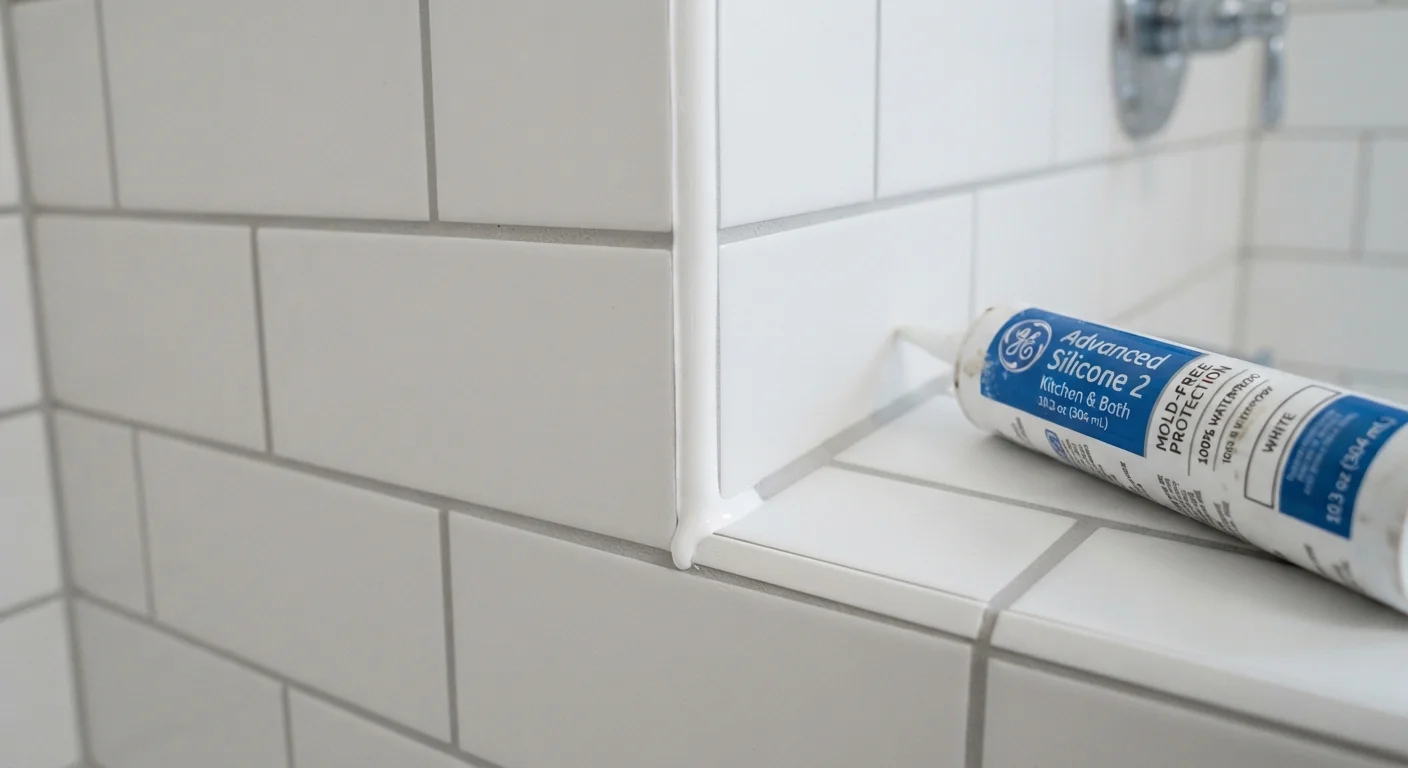
One important distinction: R-value measures a material's thermal resistance, not its ability to stop air movement. A wall cavity packed with high-R insulation but riddled with gaps around wiring or plumbing still allows cold air infiltration. Air sealing with caulk or foam is a separate step that works alongside insulation, not a function of R-value itself.
R-value and moisture are separate issues
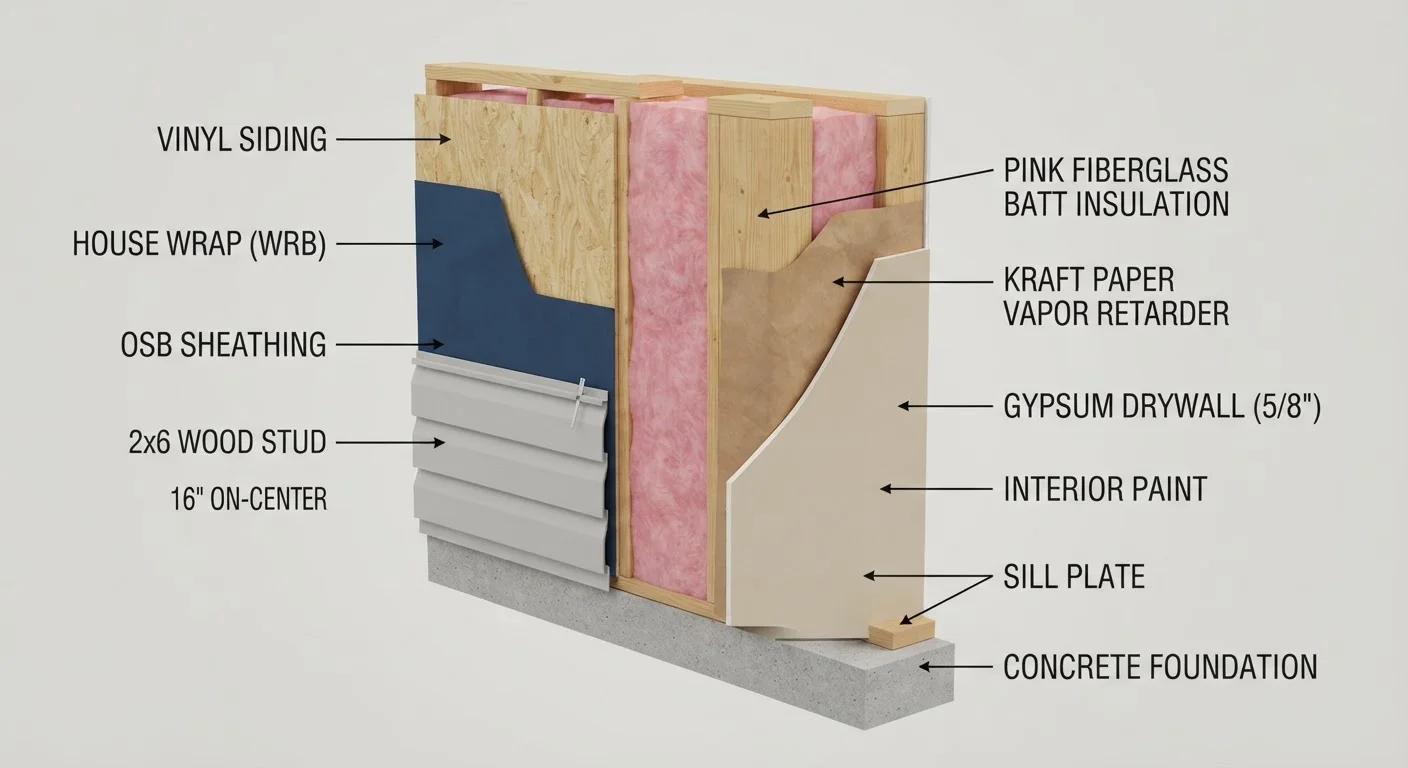
R-value says nothing about a material's ability to manage moisture vapor. Some insulation types, such as open-cell spray foam, are vapor-permeable and may require a vapor retarder in cold climates. Others, like closed-cell spray foam, act as a vapor retarder themselves. When insulating in climates with significant humidity differentials, consult local building codes or a building science professional to confirm the right assembly.
Climate zones and recommended levels
The U.S. Department of Energy divides the country into eight climate zones based on heating and cooling demand. Zone 1 covers the warmest parts of Florida and Hawaii; Zone 7 covers northern Minnesota and parts of Alaska. Your zone determines how much insulation you actually need.
For attics, recommendations range from R-30 in Zone 1 to R-60 in Zones 6 and 7. For walls, most zones call for somewhere between R-13 and R-21 in wood-framed construction, though continuous exterior insulation can supplement cavity insulation to reach higher totals. The DOE publishes a free zone lookup tool where you can enter your ZIP code to find your zone.
Many older homes fall well short of current recommendations. An attic with three inches of compressed fiberglass batts may have an effective R-value closer to R-9 than the labeled R-13, because compression reduces performance. Measuring what you have and comparing it to your zone's target is the starting point for any upgrade plan.
Common insulation types and their R-values per inch
Different materials deliver different R-values per inch of thickness, which matters when space is constrained.
- Fiberglass batts: approximately R-2.9 to R-3.8 per inch, depending on density
- Mineral wool (rock wool) batts: approximately R-3.0 to R-3.3 per inch
- Blown-in fiberglass: approximately R-2.2 to R-2.7 per inch when settled
- Blown-in cellulose: approximately R-3.2 to R-3.8 per inch
- Open-cell spray foam: approximately R-3.5 to R-3.9 per inch
- Closed-cell spray foam: approximately R-6.0 to R-6.5 per inch
- Rigid polyisocyanurate foam board: approximately R-5.6 to R-8 per inch
Closed-cell spray foam and rigid polyiso boards are the most space-efficient options when you need high R-value in a thin application, such as basement rim joists or exterior continuous insulation over sheathing. Blown-in cellulose is often a cost-effective choice for attic top-ups because it covers irregular framing and fits around obstructions without cutting.
Check your insulation label before buying
Insulation products sold in the U.S. are required to display R-value information on their packaging under FTC rules. When comparing products, check the R-value per inch and the total R-value at the installed thickness. These are not always the same number, and the labeled total assumes a specific installation depth.
Where R-value matters most in a home
Heat loss is not evenly distributed across a home's envelope. Attics account for a large share of heat loss in most single-story homes because warm air rises and heat conducts readily through an under-insulated ceiling plane. The DOE consistently lists attic insulation upgrades among the most cost-effective home improvements for energy savings.
Basement and crawl space walls or floors are the next priority in cold climates. Uninsulated rim joists (the perimeter framing where the floor system meets the foundation wall) are a common weak point that is relatively inexpensive to address with cut-and-cobble rigid foam.
Exterior walls matter too, though they are harder to upgrade without either opening the wall cavity from inside or adding continuous insulation on the exterior. In an existing home, dense-pack blown-in insulation installed by drilling through siding or drywall is one option that avoids a full renovation.
Floors over unconditioned garages or crawl spaces also benefit from insulation, and the access makes installation more practical than wall retrofits in many homes.
R-49 to R-60
Recommended attic R-value for cold climates
According to U.S. Department of Energy guidelines for Climate Zones 6 and 7, covering northern states including Minnesota and Montana.
~15%
Estimated heat loss through attic in typical home
The DOE estimates that attics and roofs account for a significant share of total home heat loss, making them a priority for insulation upgrades.
R-6.5
R-value per inch for closed-cell spray foam
Closed-cell spray foam delivers roughly double the R-value per inch compared to standard fiberglass batts, useful where space is constrained.