
What the research actually says about walking
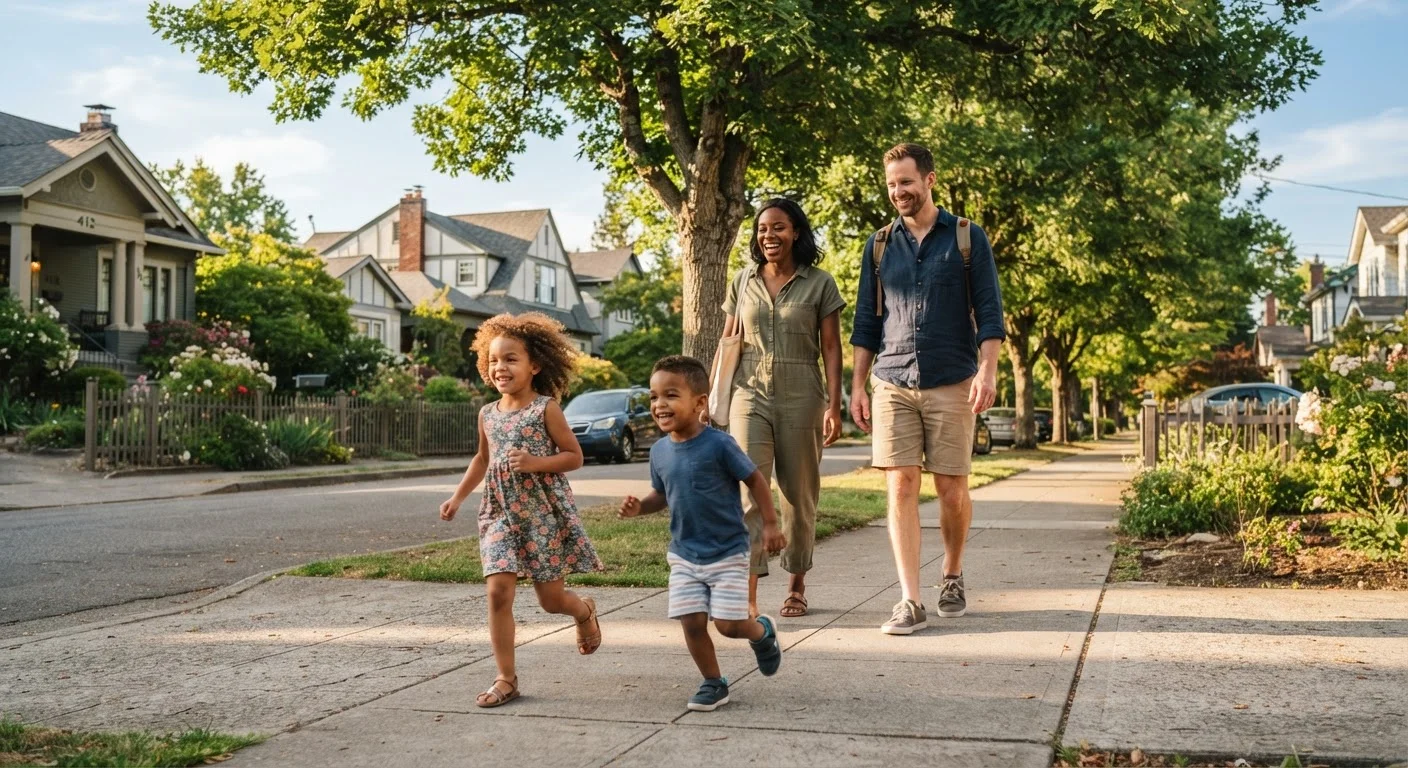
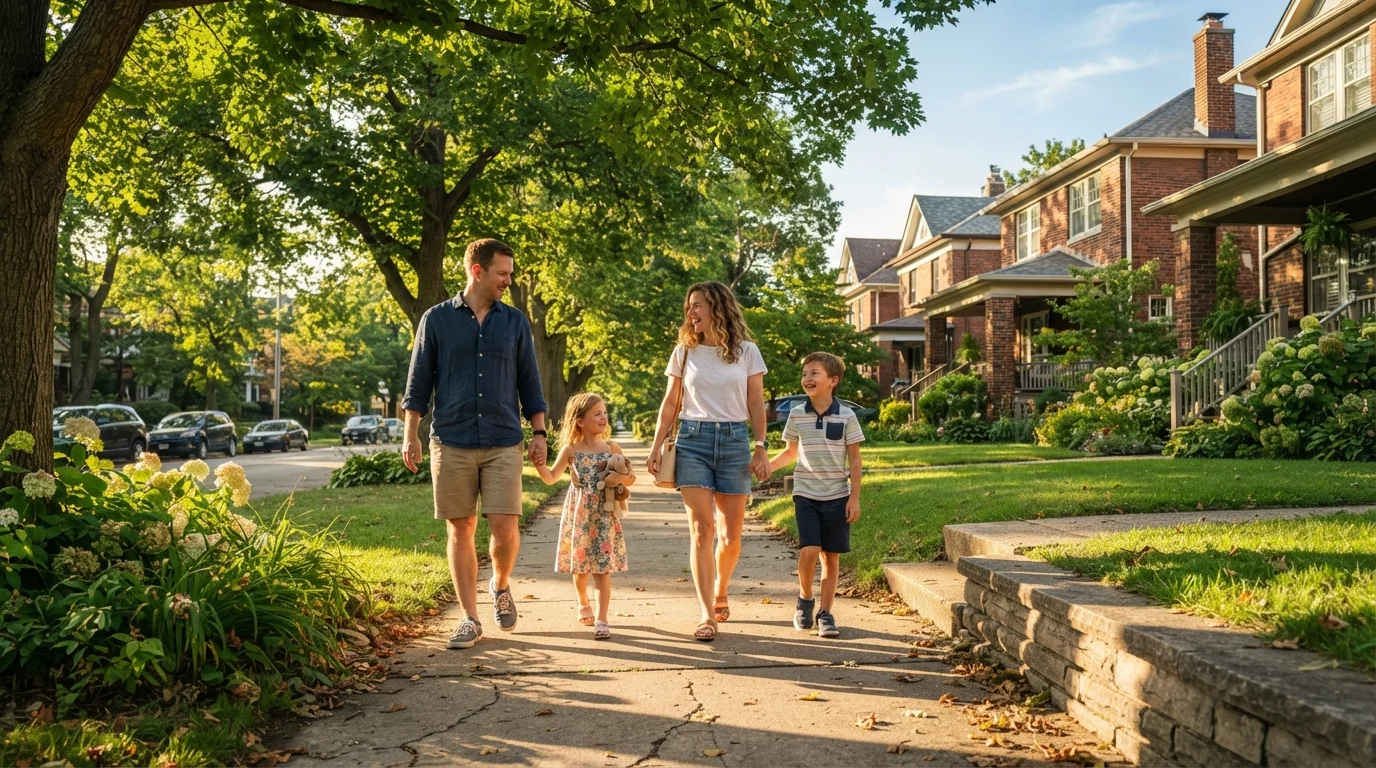
Walking is one of the most studied forms of physical activity in public health research. The CDC recommends that adults get at least 150 minutes of moderate-intensity aerobic activity each week, and brisk walking qualifies. Research published in journals such as the American Journal of Preventive Medicine has linked regular walking to lower risk of type 2 diabetes, cardiovascular disease, and certain cancers. For adults, even walking at a comfortable pace produces cardiovascular and metabolic benefits when done consistently.
For children, the evidence is similarly clear. The CDC recommends that children aged 6 to 17 get at least 60 minutes of physical activity daily, and walking counts toward that goal. Studies have found that children who walk to school or spend time walking outdoors tend to have better cardiovascular fitness and lower body mass index scores than those who do not. There is also research suggesting that physical activity, including walking, supports attention and academic performance in school-aged children.
Walking alongside consistent sleep habits forms a strong foundation for family health without requiring any spending.
This article is for general health information only and is not a substitute for advice from a qualified healthcare professional. Consult your doctor before starting a new exercise routine, especially if you or a family member has an existing health condition.
Practices that make family walking stick
Knowing walking is good is not the same as doing it regularly. These practices, drawn from behavioral health research and public health guidance, help families turn occasional walks into a consistent habit.
Attach walking to an existing daily routine rather than treating it as a separate event.
Behavioral research consistently shows that habit formation works best when a new behavior is linked to something already established. Waiting for a free block of time is one of the most common reasons good intentions do not become habits.
Start with 10-minute walks and build gradually over several weeks.
Short bouts of walking still produce cardiovascular benefits, and starting small reduces the chance of injury or burnout. The NIH notes that activity does not need to happen all at once to count toward weekly totals.
Use free public spaces such as parks, school tracks, and neighborhood sidewalks.
Access to safe walking environments increases how often people actually walk. Most communities have publicly maintained paths or parks that are free to use year-round.
Let children have a say in the route or destination.
Children are more likely to participate willingly when they have some control over the activity. Autonomy is a well-documented factor in sustaining physical activity in young people.
Track walking in a simple, visible way that the whole family can see.
Visual tracking creates a feedback loop that reinforces behavior. It does not need to be digital; a paper chart on the refrigerator works as well as a fitness app for most families.
Starting today: small actions with real impact
None of the following require equipment, a membership, or a large time commitment. Families who want more ideas on staying active without spending money can explore free and low-cost activity options that work for different fitness levels and schedules.