
Why skipping the gym doesn't mean skipping fitness
The average gym membership in the United States costs roughly $40 to $70 per month, and many people pay for memberships they rarely use. For families watching their budget, that recurring expense is hard to justify. The good news is that the CDC's physical activity guidelines, which call for at least 150 minutes of moderate-intensity aerobic activity per week for adults, make no mention of gym equipment. Most of that activity can happen outside, at home, or in community spaces that cost little to nothing.
What follows is a practical look at four main options: parks and trails, home bodyweight exercise, free digital programs, and community recreation centers. Each has real trade-offs depending on fitness level, family size, schedule, and local access. For anyone with existing health conditions, injuries, or questions about safe exercise intensity, talking with a healthcare provider before starting is the right first step.
Parks, trails, and outdoor spaces
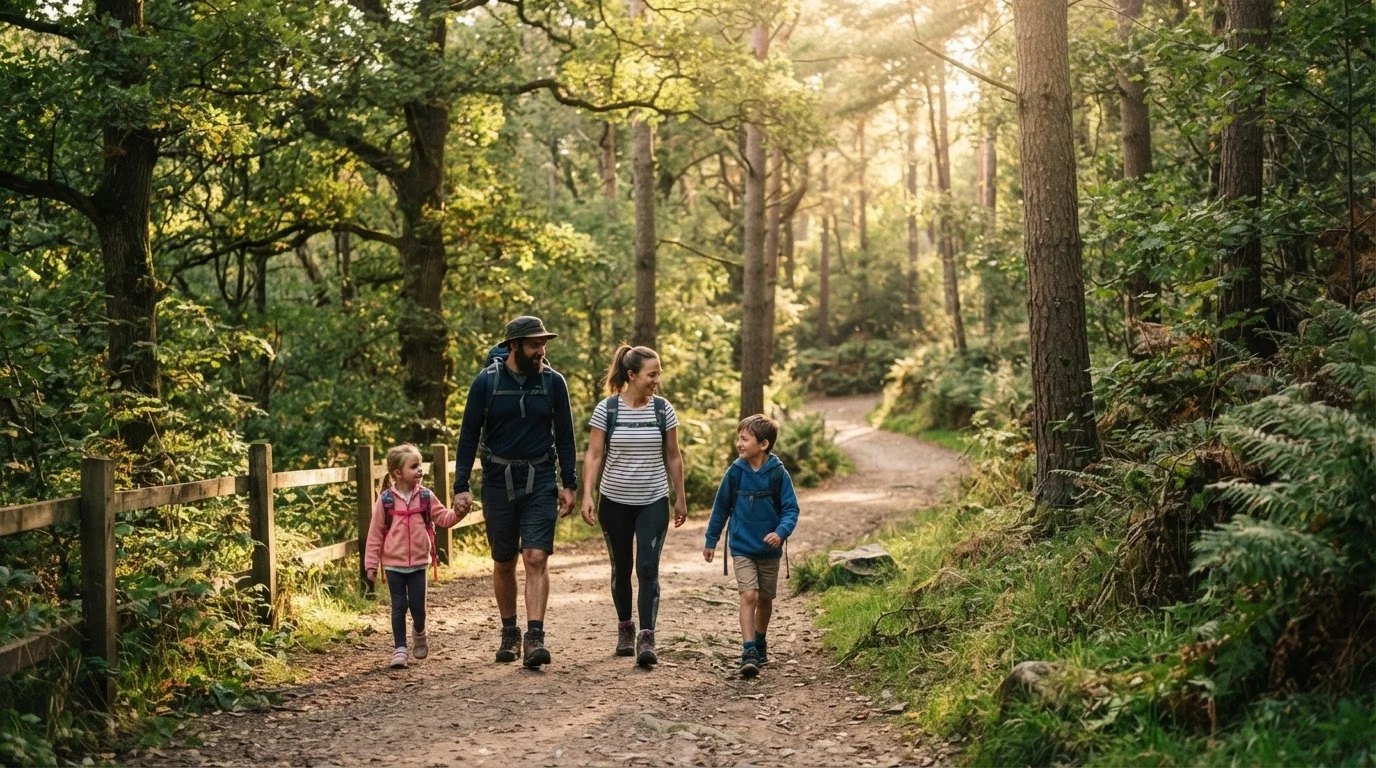
Public parks and walking trails are the most accessible free fitness resource for most American families. The U.S. has over 10,000 state park units and countless municipal parks, many with paved paths, open fields, playgrounds, and sports courts available at no charge. Walking as a regular family habit is backed by solid evidence for cardiovascular health, weight management, and mental well-being in both adults and children.
Beyond walking, open parks support running, cycling, pickup sports, frisbee, yoga, and bodyweight circuits on benches and grass. Many trail systems are free year-round. The main limitation is weather and geography: families in areas with harsh winters or limited park access face real barriers. State and city parks vary significantly in amenities, so it's worth checking what's available within a reasonable distance before planning around them.
| Parks and trails | Home bodyweight | Free apps/video | Community rec centers | |
|---|---|---|---|---|
| Cost | Free | Free | Free (with upgrades available) | Low to moderate, assistance available |
| Equipment needed | None | None | Phone or tablet | None (provided on-site) |
| Weather dependent | Yes | No | No | No |
| Good for beginners | Yes | Yes, with care | Yes, if quality content | Yes |
| Family-friendly | Very | Moderate | Moderate | Very |
| Structured guidance | Minimal | Minimal | High | High |
| Social environment | Informal | None | None | Yes |
Home bodyweight routines
Bodyweight exercise, which uses movements like squats, push-ups, lunges, planks, and jumping jacks, requires no equipment and minimal space. The American College of Sports Medicine recognizes resistance training with bodyweight as effective for building muscular strength and endurance. For families, home workouts eliminate commute time and can include children in age-appropriate ways.
The trade-off is motivation. Without a set class time or social environment, consistency is harder to maintain for many people. Pairing home workouts with a simple schedule, such as 20 minutes three mornings per week, improves follow-through. Beginners should start with low-impact movements and build gradually rather than jumping into intense programs. Turning exercise into a family activity can make home routines more sustainable for households with children.
Start with what you already have
Before buying any equipment or signing up for a program, take stock of what's already available. A sidewalk, a set of stairs, or a backyard can support a consistent movement habit. The CDC notes that short bouts of activity spread throughout the day count toward weekly totals, so even 10-minute walks after meals add up. Building a habit from what's already accessible is more practical than waiting for ideal conditions.
Free apps and video programs
YouTube and free-tier fitness apps provide structured workouts ranging from beginner yoga to high-intensity interval training. Channels from certified trainers offer full-length workouts with clear instruction, which helps beginners learn proper form without paying for a personal trainer. Many local libraries also provide free access to fitness platforms through digital lending programs, so it's worth checking before subscribing.
The quality of free digital programs varies. Look for content from certified fitness professionals or programs affiliated with recognized health organizations. Free apps often push paid upgrades, so reading what is included at no cost before committing to a platform saves frustration later. A phone or tablet with a stable internet connection is the main requirement, which most families already have.
Community recreation centers and programs
Many cities and counties operate recreation centers with gyms, pools, fitness classes, and courts for far less than private gyms charge. Some offer sliding-scale fees based on household income. The YMCA, for example, has a financial assistance program that can significantly reduce or eliminate membership costs for qualifying families. Community centers also tend to offer structured programs for children and older adults, which fills a gap that home exercise can't easily address.
Availability and quality vary by location. Rural areas may have limited options, while urban centers often have multiple facilities within reach. Before assuming a community center is unaffordable, it's worth calling to ask about reduced-rate memberships or free trial periods. Frugal family living often comes down to knowing what community resources exist and asking directly about access programs.
This article provides general health and wellness information for educational purposes only. It is not medical advice. Consult a qualified healthcare provider before beginning any new exercise program, particularly if you have existing health conditions or injuries.